 Request information

How to Start a Career in International Diplomacy in 2026
Diplomacy is not one single job. It is an entire ecosystem, and if you are serious about building a career in diplomacy, the first thing you need to identify is which part of that ecosystem you are interested in. People spend years preparing without breaking in, often because their effort is pointed in the wrong direction. A foreign service career, a role at the United Nations (UN), and a position in a think tank each demand different groundwork, yet they are often treated as interchangeable paths.
In 2026, an international diplomacy career involves policy analysis, negotiation, cross-cultural communication, and decision-making across complex political and economic environments. If you want to establish yourself in this field, you need to stop doing everything at once and start making intentional, sequenced moves.
Key Takeaways
- Choose a specific area of diplomacy early. Government, international organizations, and policy roles all require different preparation, and treating them the same leads to wasted time.
- Align your degree or master’s with your target path. General study slows progress, while focused academic training makes your profile easier to evaluate.
- Build practical exposure before you are hired. Simulations like Model UN and structured programs develop negotiation and representation skills in real scenarios.
- Start writing about international affairs early. A visible body of analysis shows how you think and gives you material to reference in applications and interviews.
- Develop a second language alongside your studies. Most roles expect at least two working languages, and proficiency takes consistent effort over time.
- Apply for internships within a few months of committing to this path. Early placements shape your network, experience, and future opportunities.
- Treat diplomacy as a long-term build. Progress comes from making clear decisions early and following through with a consistent, aligned effort.
Choose Your International Diplomacy Career Path Early
Most people say they want a career in diplomacy but mean very different things. Your everyday duties, lifestyle, and application strategies change completely based on the specific sector you target. Choosing a sector track early prevents you from wasting years building the wrong profile. Five distinct pathways define the field, each requiring its own operational approach:
- Government Diplomat: Working within foreign ministries, local embassies, and consular services to execute a country's official foreign policy.
- International Organizations: Pursuing United Nations careers or working within structured global bodies like the World Bank, World Trade Organization (WTO), and the European Union.
- Policy and Think Tanks: Conducting deep data reviews and policy analyses to advise government agencies on complex diplomatic challenges and opportunities.
- Non-Governmental Organizations (NGOs) and Global Advocacy: Managing field projects for humanitarian organizations, peacebuilding groups, and sustainable development initiatives.
- Corporate Diplomacy: Handling international networking, cross-cultural communication, and global relations for multinational corporations.
Pick one direction early. Everything downstream of this decision, your degree, your language, your internship, becomes significantly more efficient when you are pointed in the right direction.
Start a Relevant Course or Master’s Degree
A career in international diplomacy is not a quick-win career, and breaking into the field can take years if not done right. Because global governance bodies face highly competitive applicant pools, you need an academic baseline that proves your analytical capacity. A relevant course or degree ensures you understand the historical and legal frameworks that govern international affairs.
|
Degree Focus |
Core Training Areas |
Target Employment Sectors |
|
International Relations and Diplomacy |
Multilateral relations, international law, and conflict resolution. |
Foreign ministries, embassy careers, and UN jobs. |
|
Political Science and Public Policy |
Policy analysis, government agencies, and global leadership. |
Public sector tracks, think tanks, and public affairs. |
|
Global Affairs |
Global security, climate diplomacy, and economic diplomacy. |
International and humanitarian organizations. |
If you already have a general bachelor's degree, you can pivot by enrolling in a specialized master’s degree in international relations and diplomacy. Advanced qualifications help candidates meet strict diplomat education requirements while introducing them to specialized fields like digital diplomacy and public diplomacy.
Develop Key Diplomacy Skills
Succeeding in global diplomacy requires specific professional competencies that look good on paper and work in crisis. Academic knowledge is only half the equation. You must actively develop practical international relations and diplomacy skills that allow you to handle cross-cultural friction and high-stakes negotiations.
- Negotiation Skills: Learning to manage multi-party disputes and securing international cooperation without political gridlock.
- Strategic Communication: Writing clear, concise policy briefs and official statements that protect national or institutional interests.
- Cultural Awareness: Practicing effective cross-cultural communication and respecting local protocols when working in diverse diplomatic missions.
- Technical Policy Expertise: Mastering modern global challenges, including economic diplomacy, climate diplomacy, and human rights law.
Tip: Daily Habits for Aspiring Diplomats
- Spend 30 minutes reading verified foreign policy reports.
- Dedicate time daily to learning a second official UN language.
- Track structural shifts in global security and trade.
- Analyze how embassies structure their public statements.
Developing these diplomatic skills requires daily habit-building. Aspiring professionals should focus on sharpening their research capabilities, understanding geopolitical studies, and tracking how international law applies to active global security issues.
Build Your Profile for Entry-Level Diplomacy Jobs
Breaking into international relations requires a proactive approach that goes beyond submitting basic resumes. You need to show global organizations that you are already engaged with global citizenship and international development. A structured, intentional profile makes you visible to the right recruiters.
1. Select Your Primary Target Sector
Month 1
Decide whether you want to pursue foreign service career paths, UN jobs, or corporate public affairs. This choice sets your language and internship strategy.
2. Publish Short Policy Articles Publicly
Months 2–3
Start writing publicly about global conflicts and foreign policy. Use professional platforms like LinkedIn and Substack to demonstrate your capacity for neutral policy analysis.
3. Network Intentionally in Global Circles
Months 3–4
Connect with professionals currently working in embassy careers or international organizations. Ask specific questions about their daily operational challenges.
4. Apply for Strategic Internships
Months 5–6
Submit targeted applications for internships within foreign ministries, consulates, or global governance bodies to get early exposure to the field.
Following these steps will help your profile stand out when applying for entry-level international diplomacy jobs. Practical exposure combined with public writing proves you possess the focus needed for a long-term career in diplomacy.
Connect Your Education with Real UN Exposure
Launching a successful international relations career depends heavily on your professional network and practical global exposure. Studying in a multicultural environment allows you to practice cross-cultural communication in real-time. Master's programs that build direct connections with active global institutions give students an immediate edge.
An excellent means of gaining this exposure is through Schiller International University’s Master of Arts in International Relations and Diplomacy. This comprehensive and practical program is developed in partnership with the United Nations Institute for Training and Research (UNITAR). Instead of just reading about global governance, students learn directly from UN experts, active diplomats, and international policy analysts.
Schiller-UNITAR Program International Relations and Diplomacy Features
- A 12-month master's degree.
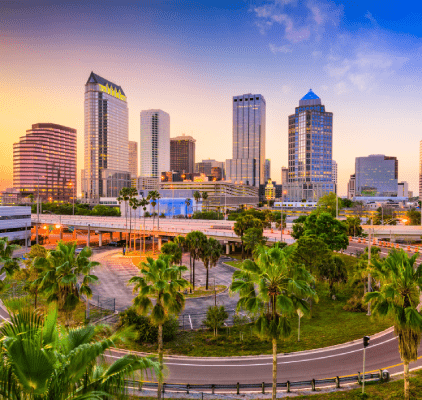
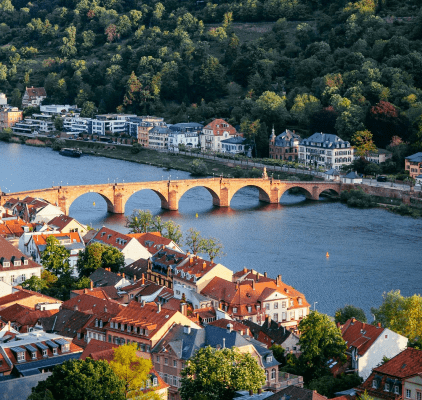
- Study in Madrid, Paris, Heidelberg, Tampa, or Online.
- Faculty includes active UN professionals and experts.
- Receive an official UNITAR certificate.
- Exclusive three-month internship application pathways.
- Graduation ceremony at UN headquarters in Geneva.
The curriculum directly bridges academic theory with practical field experience. Through Schiller’s partnership with UNITAR, students receive specialized mentoring to navigate how to work in international organizations and apply for UN jobs via official platforms.
High-performing students can apply for exclusive three-month internships with international organizations, receive a global UNITAR Fellowship Certificate, and attend their graduation ceremony at the UN headquarters in Geneva, Switzerland. This dual exposure provides the exact qualifications needed to build a competitive international diplomacy career in 2026.
Navigating the Future of Global Relations
The world of global affairs is shifting toward functional specialization. A general understanding of history must be paired with technical expertise in areas like cybersecurity policy, climate metrics, and cross-border economic regulations. By choosing a clear track, gaining validated regional exposure, and sharpening practical communication tools, you transform an ambitious career goal into a structured professional trajectory.
Ready to take your first step toward global governance? Learn more about how the Schiller’s MA in International Relations and Diplomacy can connect you directly with active UN mentors and practical field training.
FAQs
Q1. How do I start a career in international diplomacy?
You can start a career in diplomacy by choosing a specialized course to build the relevant skills, then identifying the pathway you want to pursue, such as the government foreign service, international organizations, or global advocacy roles. To build momentum, focus on mastering a second language, publishing policy analyses publicly, and applying for internships at embassies or consulates within three to six months.
Q2. What degree do you need to become a diplomat?
Most employers look for an international diplomacy degree or a master's degree in international relations, public policy, global affairs, or political science. These credentials align with common educational requirements for a diplomatic career by focusing on international law, economics, and foreign policy analysis.
Q3. What skills are needed for a successful diplomacy career in 2026?
The core diplomatic skills needed include negotiation skills, strategic communication, policy analysis, and cultural awareness. Aspiring professionals also need a firm understanding of modern, specialized sub-fields such as digital diplomacy, climate diplomacy, and economic diplomacy.
Q4. What jobs can you get with a degree in international relations and diplomacy?
An international relations career path opens up positions in embassies, consulates, foreign ministries, and consular services. Graduates also pursue careers in the UN jobs and European Union, as policy analysts in think tanks, and in international development roles within humanitarian organizations.
Q5. How can students gain experience for careers in diplomacy and international organizations?
Students can gain experience by writing for policy journals, participating in international networking events, and applying for internships. Enrolling in programs that offer institutional partnerships, such as the Schiller MA in International Relations and Diplomacy developed with UNITAR, provides direct access to UN mentoring and internship pathways.
Discover Our Campuses