 Request information

What Does UNITAR Do? Understanding the UN’s Training Institute
If you are looking into a career in international relations, you have probably looked at the United Nations (UN) and wondered how anyone actually gets a foot in the door. The endless acronyms, massive meetings, and big political statements can seem overwhelming. It is important to note that outside of the headlines, there is a practical branch of the UN that focuses entirely on teaching people how to conduct global politics.
This branch is the United Nations Institute for Training and Research, or UNITAR. While famous agencies like the United Nations Children's Fund (UNICEF) or the United Nations High Commissioner for Refugees (UNHCR) handle visible crises on the ground, UNITAR focuses on preparing individuals with the specific skills they need to work in government and development. If you want a career in this field, learning about UNITAR shows you exactly how global policy is put into action and how you can get started.
Key Takeaways
- UNITAR focuses on teaching you how global policy is actually applied, not just how it is discussed.
- It began by training new nations in diplomacy and now supports professionals across the world in managing complex global systems.
- The institute turns broad global goals into practical skills you can use in real government and development work.
- Its programs are built for a wide audience, including public officials, NGO leaders, corporate professionals, and students entering the field.
- UNITAR certifications strengthen your profile by showing a clear, applied understanding of international frameworks.
- Through the Schiller partnership, you combine academic study with direct UN exposure, mentoring, and recognized credentials.
What is UNITAR?
The United Nations Institute for Training and Research (UNITAR) is the official training arm of the United Nations. Established in 1965, this autonomous body handles professional development rather than theoretical debates. It focuses on teaching aspiring students, professionals, and local governments on the exact skills necessary to deal with modern global challenges.
- How it started: The UN created UNITAR during the mid-1960s, a time when dozens of newly independent nations were joining the organization. These countries needed to build entire diplomatic teams overnight. The UN stepped in to teach these new delegates how to negotiate, write policy, and navigate international law.
- How it expanded: Over the decades, that original diplomatic mission grew. Today, the training and research institute includes everything from tracking climate data to managing local finances.
- Where it operates: UNITAR runs its global training operations from its main headquarters in Geneva, Switzerland. It also maintains major offices in New York (USA), Hiroshima (Japan), and Bonn (Germany).
- What it does today: The institute’s main role is to turn the UN's major global promises and ambitions, like the Sustainable Development Goals (SDGs) and Agenda 2030, into practical skills that local officials can use in their communities right away.
UNITAR Vision, Mission, and Objectives
You might wonder why a training institute is so vital to global politics. The reason is simple: an international treaty or an environmental target is only useful if the people on the ground know how to write the laws, manage the budgets, or track the data to achieve them. UNITAR bridges the gap between big global ideas and the practical skills you need to implement them.
- The Vision: The goal is to see a world where empowered individuals and institutions successfully advance peace, security, and sustainable development.
- The Mission: The institute aims to give you and your peers the knowledge you need through impactful training, research, and creative learning solutions.
- Empowering Individuals (Objective 1): The training helps you build skills for international diplomacy, public sector work, and global development goals.
- Strengthening Institutions (Objective 2): It works directly with developing nations to help their local organizations meet national priorities and hit sustainability targets.
- Building Learning Ecosystems (Objective 3): It helps countries create lasting, local educational networks so they can continue to train their own people over the long term.
- Improving the UN System (Objective 4): It shares best practices and research across the entire United Nations to make all global capacity-building efforts more effective.
The organization also prioritizes inclusive growth. This means training specifically focuses on the needs of developing nations, women, youth, and persons with disabilities, ensuring nobody gets left behind in global progress.
Who Benefits from UNITAR Training?
While the institute started training only foreign service officers, global politics now involves almost every sector. This means the audience for UNITAR programs and certifications has grown to include professionals from many different backgrounds. You fit into this ecosystem if you belong to any of these groups:
- Diplomats and Foreign Service Teams: Embassy staff and ministry officials enroll in UNITAR courses to understand the role of diplomacy in the changing world and stay sharp on new legal frameworks and evolving negotiation tactics.
- International Civil Servants: Current UN employees and regional organization staff participate in specialized trainings focused on new policy fields or pick up technical skills like data mapping.
- NGO and Civil Society Leaders: Non-profit directors take UNITAT programs to learn how to align their grassroots projects with UN standards, making it easier to secure international funding.
- Corporate Sustainability Directors: As businesses face strict environmental and social regulations, private-sector managers use UNITAR training branches to study sustainability management and build real, compliant ESG strategies.
- Graduates and Aspiring Professionals: Students enroll in UNITAR-certified courses to gain an insider view of the industry and build a resume that stands out in a crowded, competitive hiring pool.
UNITAR Training Programs and Certifications
The institute does not offer traditional, multi-year academic degrees on its own. Instead, it provides highly specific, practical training paths designed to fit into your career schedule. If you look through the portfolio, you will find that the courses generally fall into three main categories.
- Immersion Programs: These are multilateralism training programs with intense field visits to major global political hubs. You can apply for five-day training experiences in cities like Geneva, New York, or The Hague. These trips let you tour the actual UN headquarters, attend live briefings, and learn skills for success in international relations directly from active practitioners.
- Online Learning and Open Courses: If you need flexibility, the e-learning catalog covers specialized fields like peacebuilding, human rights, and climate data. These options range from massive open online courses to four-week specialized training modules, allowing you to learn how the UN operates from anywhere in the world.
- Joint Master's Degrees: To bridge the gap between academic education and real-world UN training, the institute partners with select international universities. Through these specific collaborations, you can complete a master's degree while gaining direct access to UN learning modules, professional mentoring, and official certifications.
The Schiller International University Partnership
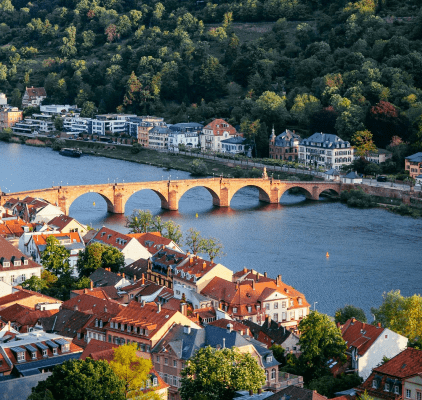
A prime example of this collaborative approach is the formal agreement between UNITAR and Schiller International University. If you enroll in the Master of Arts in International Relations and Diplomacy or the Master of Science in Sustainability Management at any Schiller campus in Madrid, Paris, Heidelberg, or Tampa, your education extends far beyond typical classroom lectures.
- Official UN Certifications: Upon successful completion of a master’s degree, you earn an official certificate under UNITAR's precise standards.
- Direct Mentoring: You can receive personalized career guidance from experts who help you navigate international job platforms, evaluate your skills, and understand the official UN internship and application processes.
- The Geneva Fellowship: Top-performing students can experience three days of immersive learning at the UN headquarters in Geneva, Switzerland, culminating in a formal graduation ceremony inside the palace.
Understanding how UNITAR operates is a strong foundation, but the real challenge is moving from an outsider looking into an active participant. Global employers seek professionals who can immediately implement policies and navigate complex systems.
By combining academic study with direct exposure to UN experts, you bypass the standard trial-and-error approach that many graduates face when breaking into the industry. You gain the specific credentials, practical skills, and professional network required to make your applications stand out.
If you are ready to take your education beyond the classroom and build a career in global governance or environmental policy, explore our Master of Arts in International Relations and Diplomacy and Master of Science in Sustainability Management programs in collaboration with UNITAR.
FAQs
Q1. What does UNITAR do within the United Nations?
It operates as a specialized learning agency. Its role is to train diplomats, government officials, and professionals to carry out UN policies and meet the global development targets.
Q2. What is the main purpose of UNITAR?
The goal is to build human and institutional capacity. It focuses on ensuring that nations, especially developing countries, have the practical expertise required to handle international relations and manage sustainable development locally.
Q3. Who can take UNITAR courses and training programs?
Learning options are available to many professionals, including national diplomats, non-profit directors, corporate sustainability managers, and university students. Many of these technical and policy programs are hosted online for global access.
Q4. Are UNITAR certificates recognized internationally?
Yes, they are highly regarded by governments, international organizations, and non-profits worldwide. They stand as clear, verified proof that you have mastered the specific protocols and policy frameworks used by the UN.
Q5. How can students prepare for careers with the United Nations and international organizations?
The most effective way to prepare is to combine academic theory with direct, functional training. Pursuing graduate degrees with embedded partnerships, like the master's program at Schiller, allows you to earn official UN certifications. You can also build practical negotiation skills, and get direct mentoring from active international experts.
Discover Our Campuses