 Request information

October 24: Climate Action and United Nations Day
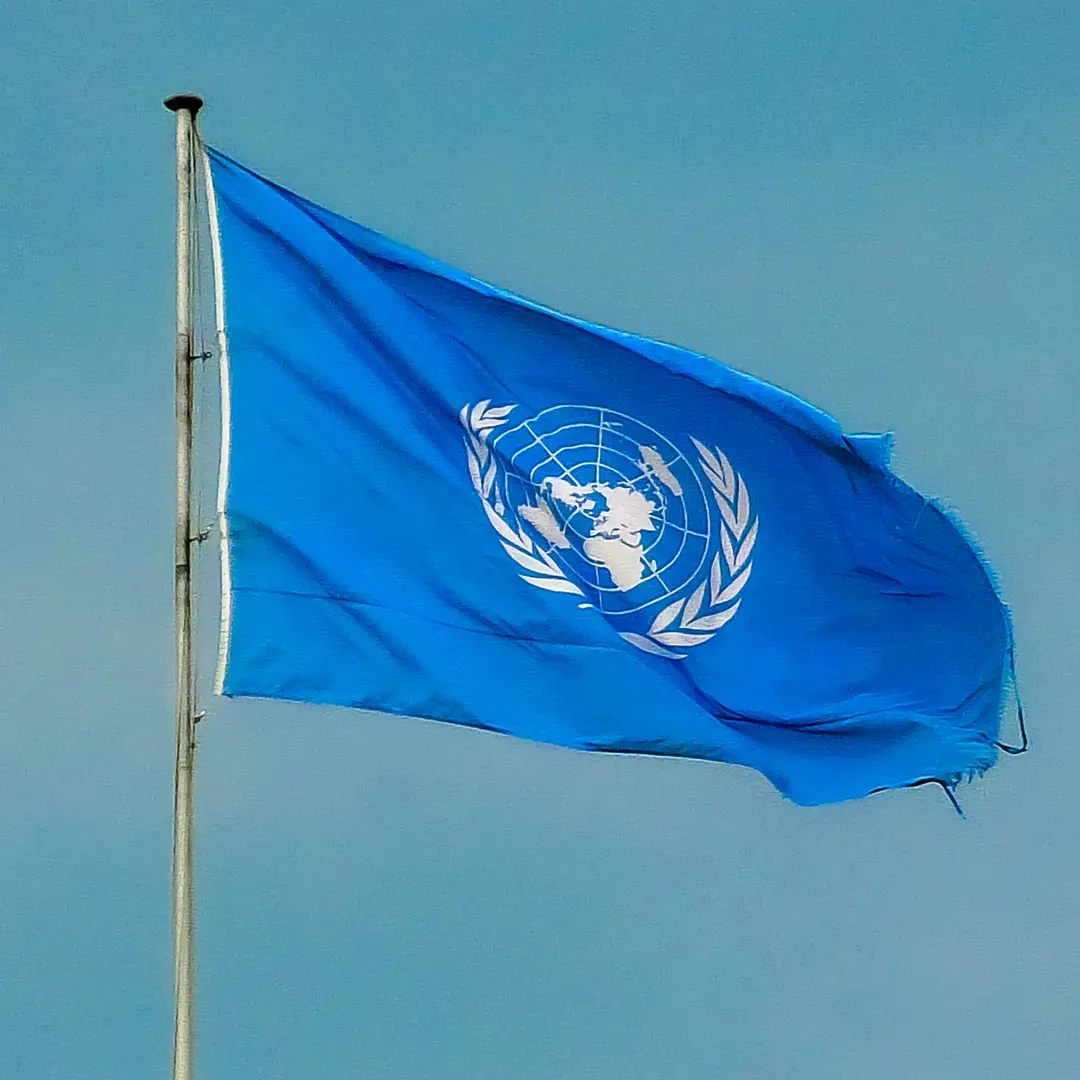
On 24 October, the world marks two observances that belong together. The International Day of Climate Action, also known as the International Day Against Climate Change, calls for concrete steps to cut emissions, adapt to a warming planet and build a more sustainable economy. On the same date, United Nations Day marks the anniversary of the UN Charter entering into force in 1945, the moment the organization formally came into being.
The overlap is more than a coincidence of the calendar. Climate change is the clearest example of a challenge no single country, company or profession can solve alone. It requires the kind of international cooperation the United Nations was created to make possible 81 years ago. It also requires people with the knowledge and skills to make that cooperation work in practice.
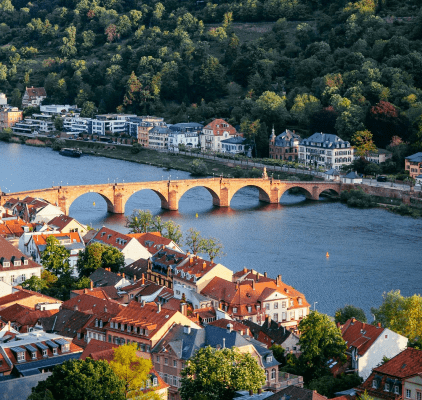
At Schiller International University, both dates speak directly to what we teach. With campuses in Madrid, Paris, Heidelberg and Tampa, and an alumni network spanning more than 130 countries, our community lives the global perspective that climate action demands.
Sustainability Becomes a Core Discipline
 For years, sustainability was treated as a specialist topic: an annual report, a small team at the edge of the organization chart. That model is ending. Disclosure rules, investor expectations and the growing physical costs of climate change are moving sustainability to the center of how organizations plan, invest and operate.
The UN's 2030 Agenda and its 17 Sustainable Development Goals (SDGs) frame this shift. With 2030 now just over three years away, the coming years will test whether commitments made on paper translate into measurable results. That work will not be done by sustainability departments alone.
In the years ahead, sustainability will behave less like a subject and more like a discipline that runs through every other. Finance teams will price climate risk into investment decisions. Operations leaders will redesign supply chains for lower emissions and greater resilience. Strategists will weigh long-term environmental and social impact alongside short-term returns, and innovators will build the products and services a low-carbon economy needs.
For higher education, the implication is clear. Graduates need to understand sustainability not as an elective add-on, but as part of how business and policy decisions are made.
Breaking Down Silos
Tania Hummel, Professor of Sustainability at Schiller International University, sees this shift as, above all, an organizational one.
I think the most important thing is that sustainability doesn't sit in any particular function. It has to be cross-functional across finance and operations and strategy and innovation.
She points to the SDGs as a driving force behind that change. "The Sustainable Development Goals are forcing organizations to avoid working in silos, to have cross-functional teams where sustainability is really embedded in everything that they do," she explains.
For students, Professor Hummel sees a clear advantage in this. "Increasingly, those students who have that cross-functional experience will be much better placed in the market, because I think those skills will be very much in demand."
Leading Through Change
The pace of change adds a further requirement. Climate policy, energy markets, technology and consumer expectations are all moving at once, and leaders must adapt without losing direction. For Professor Hummel, this makes one capability non-negotiable.
I think change management is going to be an essential skill in all managers and all leaders because of this fast-changing environment where we have to be so flexible and adaptable. It's not an option anymore not to have change management as part of your skill set if you're a leader.
Knowing what needs to change is only the first step. The leaders who make a difference will be those who can guide teams, processes and organizations through the transition, turning sustainability commitments into everyday practice.
Bringing the United Nations into the Classroom
United Nations Day is a fitting moment to highlight Schiller's partnership with UNITAR, the United Nations Institute for Training and Research. Signed in Madrid on 15 June 2024, during the university's 60th anniversary year, the agreement connects two of Schiller's graduate programs directly with the UN system: the Master of Science in Sustainability Management and the Master of Arts in International Relations and Diplomacy.
Through the partnership, students benefit from:
- Personalized mentoring from experts connected to Schiller and UNITAR
- Access to international internships, including optional placements in cities such as Geneva and New York
- Professional development and immersive learning experiences grounded in real-world global policy
- A degree with UNITAR endorsement, with graduates celebrating their achievement at the United Nations in Geneva
The pairing of these two programs is deliberate. Sustainability management addresses how organizations act; international relations and diplomacy addresses how nations agree. Climate action depends on both, and on professionals who can move between the boardroom and the negotiating table.
From Awareness to Action
The International Day of Climate Action and United Nations Day share a simple message: global challenges require global cooperation, and cooperation requires people prepared to lead it. Awareness matters, but the coming years will reward those who can translate it into decisions, strategies and results.
That is the purpose behind Schiller's approach to sustainability education. By combining a multicampus, international learning experience with a direct connection to the United Nations system, Schiller prepares graduates to work across functions, borders and sectors, and to lead change where it is needed most.
This 24 October, as the world reflects on the climate and on the institution built to bring nations together, Schiller International University celebrates both, and the students who will carry their goals forward.