 Request information

How Lilian Afreh-Sika Boateng Is Raising Awareness of Human Rights Through Research
Student Spotlight: Lilian Afreh-Sika Boateng
For Lilian Afreh-Sika Boateng, a student in the Master of Arts in International Relations and Diplomacy at Schiller International University's Distance Learning, academic learning is about more than understanding global issues—it is about helping others understand them too.
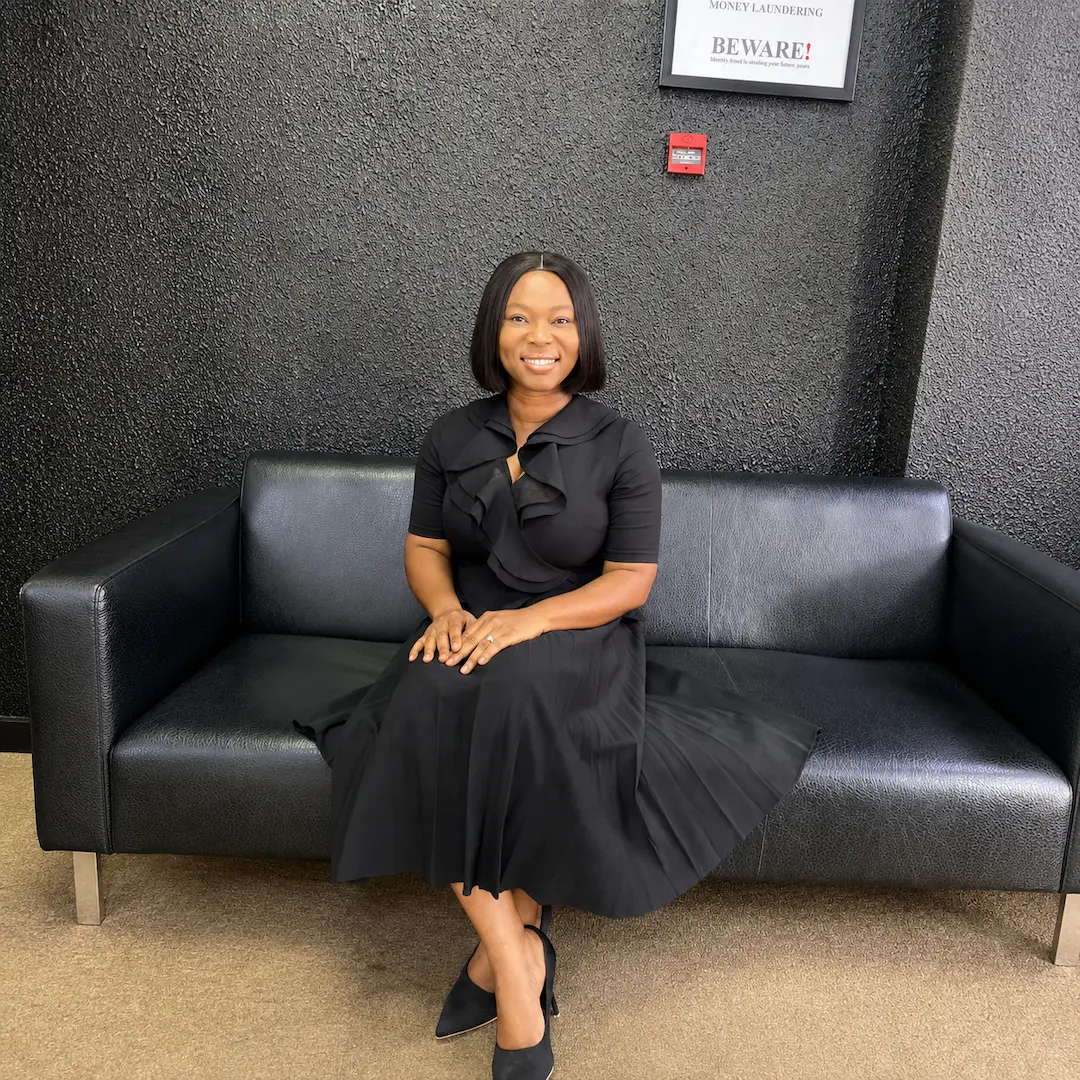 Driven by both her studies and her observations of the humanitarian challenges facing communities across Africa, Lilian recently authored the article "Understanding Human Rights, Refugees, Statelessness, and Asylum: Why These Issues Matter to Us All," which was published by two Ghanaian news outlets, MyJoyOnline and Daily Guide Network. In the article, she explores the legal and humanitarian dimensions of forced displacement, explaining why these issues extend far beyond policymakers and directly affect communities around the world.
Drawing on the knowledge she gained through Schiller's Human Rights course, Lilian set out to translate complex legal concepts into accessible language, encouraging greater public understanding of refugees, asylum seekers, stateless persons, and the importance of protecting human dignity. Her work reflects a commitment to using research and education as tools to promote empathy, informed dialogue, and positive social change.
We spoke with Lilian about the inspiration behind her article, how her studies at Schiller shaped her perspective on international relations and human rights, and why she believes education plays a vital role in building more informed and inclusive societies.
Key Takeaways
- Schiller learning inspired real-world impact by helping Lilian transform academic knowledge into a published public education article.
- Her article on human rights, refugees, statelessness, and asylum was published by two leading Ghanaian news outlets, extending her research beyond the classroom.
- Living in West Africa shaped her perspective, motivating her to address humanitarian issues through accessible, research-backed writing.
- She believes education promotes empathy and informed dialogue, helping communities better understand global humanitarian challenges.
- Lilian aims to continue researching diplomacy, global governance, trade, climate change, and peacebuilding to influence policy and create positive change.
What inspired you to write about human rights, refugees, statelessness, and asylum?
My inspiration came from both my academic studies and the realities I have observed across Africa. Through my studies in International Relations and Diplomacy at Schiller International University, I developed a deeper understanding of the legal and humanitarian frameworks that protect vulnerable populations. The course challenged me to look beyond theory and consider how these issues affect real people and communities.
"Writing this article allowed me to bridge academic knowledge and public understanding, encouraging informed discussions on human dignity and international protection."
Living in West Africa, I have witnessed how conflict, political instability, and economic hardship have forced many people to flee their homes in search of safety and better opportunities. We regularly see refugees crossing borders, while many others seek asylum abroad only to face lengthy legal processes or have their applications denied. I have also observed how ethnic divisions, discrimination, and questions of identity can leave individuals marginalized and, in some circumstances, contribute to statelessness. Writing this article allowed me to bridge academic knowledge and public understanding, encouraging informed discussions on human dignity and international protection.
One of the points you raise in the article is that these issues are not only relevant to lawyers, diplomats, or policymakers. Why do you believe they matter to ordinary citizens around the world?
Human rights, refugee protection, statelessness, and asylum are not abstract legal concepts. They affect the lives of millions. Ordinary citizens interact with displaced people in their communities, workplaces, and schools, making public understanding essential for empathy and social cohesion. In an interconnected world, conflicts and humanitarian crises have global consequences. By increasing awareness, we can reduce misinformation, promote respect for human dignity, and encourage informed public dialogue
You mention that your studies at Schiller motivated you to explore these issues further. Was there a particular concept, discussion, or lecture that encouraged you to research the topic more deeply?
My Human Rights course at Schiller International University was the turning point. Through demanding assignments, podcasts, case studies, and engaging discussions, I gained a deeper appreciation of the legal, political, and humanitarian dimensions of human rights. The course inspired me to translate academic knowledge into public education by writing an article that made these complex issues accessible to a wider audience.
As someone studying the Master or Arts in International Relations and Diplomacy, how has this research influenced your perspective on the role of international organizations and governments in protecting vulnerable populations?
This research reinforced my belief that protecting vulnerable populations is a shared responsibility. Governments have the primary duty to protect rights, while international organizations such as the UNHCR, IOM, and the African Union play essential roles in coordinating humanitarian responses and promoting international cooperation. It also strengthened my commitment to pursuing diplomacy that advances both national interests and human dignity.
Your paper got recently published in Ghanaian media. What did it mean to you to see your work published?
"Academic learning can extend beyond the classroom and contribute to public discourse."
Seeing my article published was both humbling and rewarding. It demonstrated that academic learning can extend beyond the classroom and contribute to public discourse. Having the article published by two local media houses in Ghana reinforced my belief that research should educate, inspire informed conversations, and contribute to positive social change.
If readers take away one key message from your article, what would you hope it would be?
I hope readers understand that human dignity is universal and that every person deserves protection regardless of nationality or legal status. Education and awareness are powerful tools for combating misinformation, promoting empathy, and building more inclusive societies.
Looking ahead, are there other topics within international relations, human rights or global cooperation that you would like to explore in future articles or research projects?
"Education and awareness are powerful tools for combating misinformation, promoting empathy, and building more inclusive societies."
I hope to research economic diplomacy, AfCFTA, international trade, peace and security, climate change, digital governance, global health security, and reforms to global governance institutions. My goal is to produce research that informs policy, advances diplomacy, and contributes to a more peaceful and prosperous world.