 Request information

Highlights from the 2026 Schiller × UNITAR Info Session Series
During the first half of 2026, Schiller International University and the United Nations Institute for Training and Research (UNITAR) ran three online info sessions built on a simple premise: rather than describe what a UN-connected master's degree feels like, teach a real class and let people judge for themselves.
A former UN diplomat took participants inside the human rights system. A sitting chairman and UNITAR trustee made the business case for supply chain ethics. A UNITAR senior advisor used one of the largest ecosystem restorations on record to show why sustainability leadership is a behavior-change discipline. Together, the three sessions map the terrain covered by the MA in International Relations and Diplomacy and the MS in Sustainability Management.
Key Takeaways
- Institutions are readable. Whether it is the Human Rights Council or a four-tier supplier network, the skill being taught is the same: identify the incentives, the constraints and the leverage points.
- Ethics and performance are not in tension. Companies with strong ethical supply chains outperform peers by roughly 3× on long-term shareholder value, on the McKinsey figures presented in June.
- Persuasion is the most overrated tool in sustainable development. Clarity, felt motivation and a redesigned environment do the work that awareness campaigns cannot.
- Practitioners teach differently. Each session was led by someone who has made the decisions under discussion — and each flagged the trade-offs and downsides rather than smoothing them out.
- The UNITAR connection is structural, not ceremonial. UN certification per module, mentoring with UN career navigation, internship access, an optional Geneva fellowship and graduation at UN headquarters.
UN Human Rights in Action: From Principles to Power Plays
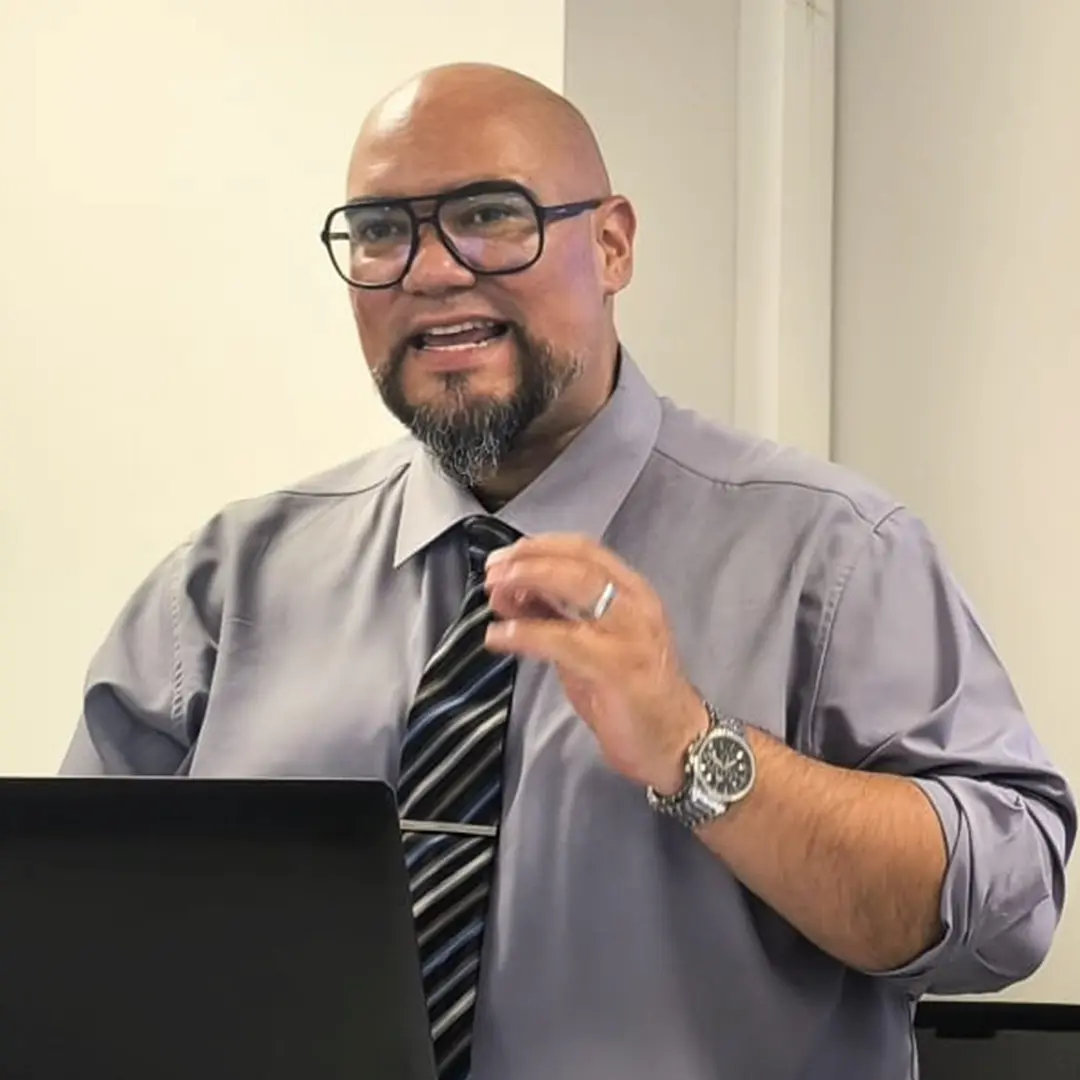 Mr. Emilio Barroeta, lawyer, human rights expert and former diplomat to the UN, joined by Prof. Alan Coyne, walked participants from the UN Charter and the Universal Declaration through the Human Rights Council's mechanisms — Universal Periodic Review, Special Procedures, the complaint procedure — and into the treaty body system.
The sharpest section asked why states cooperate with treaty body reviews at all, what pressures shape that cooperation, and what risks they weigh before engaging. The answer is diplomatic rather than legal, which is exactly the instinct the session was training.
Ethics and Sustainability in Supply Chain Management
Mr. Gustavo López Ghory, Chairman and Co-Founder of SmarterChains and a member of the UNITAR Board of Trustees, opened with scale: more than $19 trillion in goods moving through global supply chains annually, and supply chain activity accounting for an estimated 25–30% of the global economy.
From there he built the framework — people, planet, principle — mapped the five simultaneous pressures on supply chain leaders, and made the case that ethics functions as a resilience strategy. Standards and audits get you compliance; culture is what produces integrity.
Leading Sustainable Transformation: Lessons from the Chinese Loess Plateau -
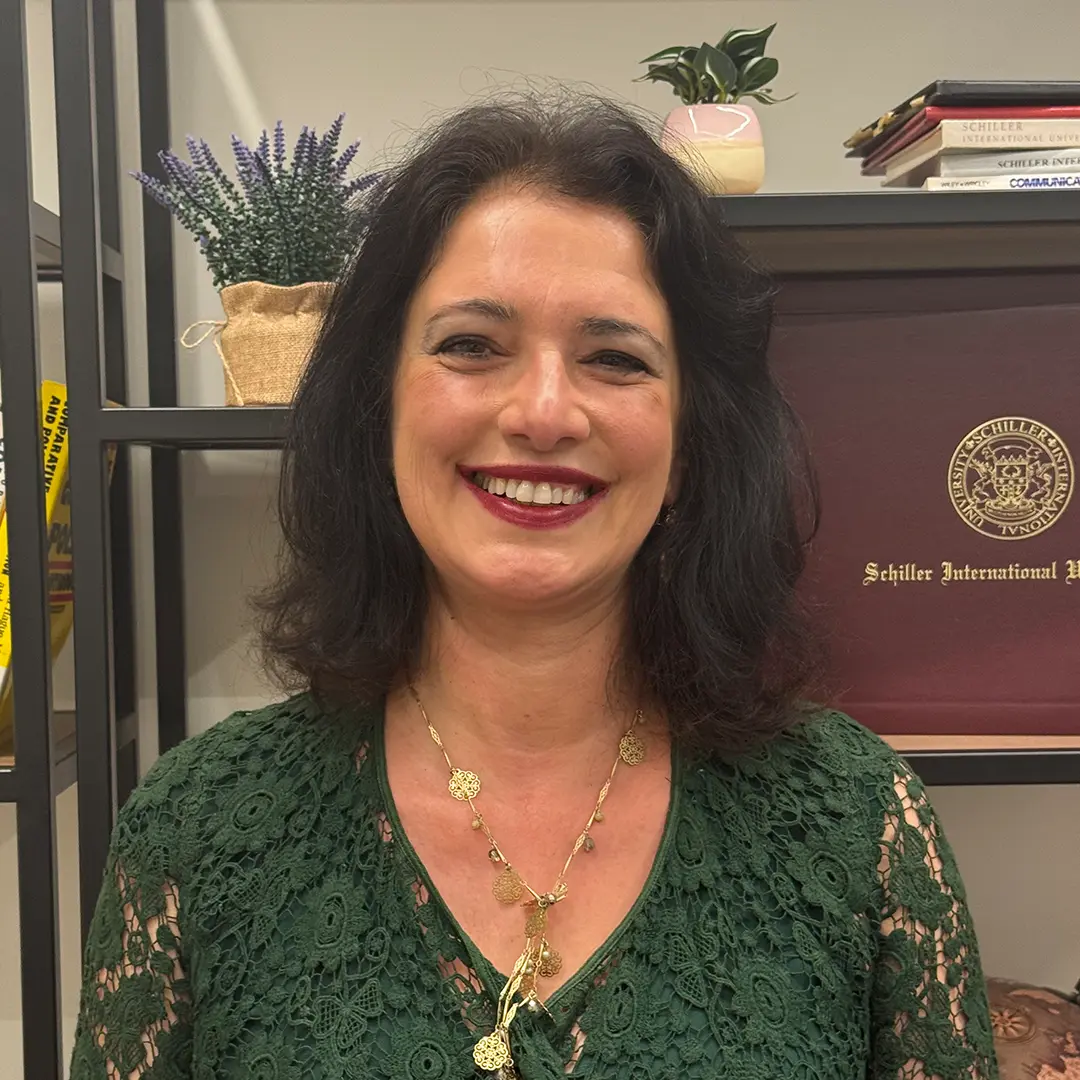 Mrs. Tania Hummel, Senior Advisor on Leadership Development at UNITAR and faculty in the MS in Sustainability Management, applied Chip and Dan Heath's Switch framework — Rider, Elephant, Path — to the restoration of a degraded landscape larger than France.
Clear scripted targets instead of vague goals. Secure land tenure and fast visible wins instead of persuasion. Grazing bans, check dams and results-based subsidies instead of appeals to willpower. Twenty years on: more than 2.5 million people out of poverty, farmer incomes roughly doubled, around 30,000 km² returned to forest and grassland — alongside documented trade-offs on water availability that Hummel raised herself.
Why We Run These Sessions with UNITAR
Schiller International University partners with the United Nations Institute for Training and Research (UNITAR) to connect graduate study directly to the institutions where global decisions get made. UNITAR is the UN's training and capacity-building arm: it prepares diplomats, civil servants and practitioners across the UN system, and it advances research on governance and sustainable development.
That partnership shapes two Schiller master's degrees — the MA in International Relations and Diplomacy and the MS in Sustainability Management — and it applies across every campus and modality: Tampa, Paris, Madrid, Heidelberg and Distance Learning. Same academic structure, same access to UNITAR sessions, same career development pathway, wherever you study.
These public info sessions are the front door to that ecosystem. Each one is built around a working practitioner — a former diplomat, a UNITAR advisor, a supply chain chairman — who teaches a real case for roughly 25 minutes, opens the floor for discussion, and then stays for questions. The sessions are open to anyone considering the programs, and they are deliberately substantive rather than promotional: we would rather you leave with a framework you can use than a brochure you will not read.
How Students Engage with the Discipline — and with the UN
Prospective students and families consistently ask the same question in these sessions: what does the UNITAR connection actually look like once you enroll? The honest answer is that it runs across the whole program rather than sitting in a single module. Here is how it works in practice.
- UNITAR-led modules and UN certification. Students learn from faculty affiliated with both Schiller and UNITAR — practitioners who have worked inside multilateral negotiations and international governance. For every UNITAR-led module completed, students earn a certificate from the United Nations alongside their academic credits.
- Structured mentoring and UN career navigation. The mentoring pathway pairs students with experts connected to Schiller and UNITAR for career guidance, profile and skills evaluation, and practical support with UN recruitment platforms such as INDICO — including how internship and job processes inside the system actually work.
- Internships in the international ecosystem. Top-performing students may access internship opportunities with international organizations and companies, with the possibility of professional references from UNITAR representatives. Placements in hubs like Geneva and New York put students inside multicultural teams and applied policy work.
- The optional UNITAR Fellowship in Geneva. About a month after classes end, students can join a multi-day immersive fellowship: sessions hosted by UNITAR, workshops, networking, and visits to UN agency headquarters.
- Graduation at the United Nations. The fellowship closes with an optional formal graduation ceremony at UN headquarters in Geneva, and a UNITAR Fellowship Certificate issued with the degree.
Academically, the two degrees are built for professionals who want to move fast. The MA in International Relations and Diplomacy runs 12 months across 12 courses — 36 semester credits, 72 ECTS — on campus or online, covering global governance, international law, human rights, conflict and peace strategies, international organizations, and media communication strategies. The MS in Sustainability Management runs 10 months across 10 courses — 30 semester credits, 60 ECTS — residential, covering carbon footprint management, the circular economy, ESG reporting, economics and public policy, all mapped to Agenda 2030 and the Sustainable Development Goals.
What’s Next
Following the three-session series, Schiller International University and UNITAR will continue hosting online information sessions throughout the academic year, featuring expert speakers and live Q&A discussions.
Details of upcoming sessions and related events will be announced on the university's events page as they become available.