What does Tampa need to become one of America’s most globally connected cities, and what role should universities play in getting it there?
Schiller International University joined this conversation at the inaugural Tampa International Diplomacy & Exchange Summit (TIDES), held November 16–17 at the Tampa Convention Center. Bringing together leaders from diplomacy, business, education, government, innovation and international organizations, TIDES examined how Tampa can translate its growing international connections into opportunities for the region.
The summit was organized around five interconnected areas: Trade, Innovation, Diplomacy, Education and Sustainability. For Schiller, these topics closely reflect the realities of preparing students for careers in an increasingly interconnected professional environment.
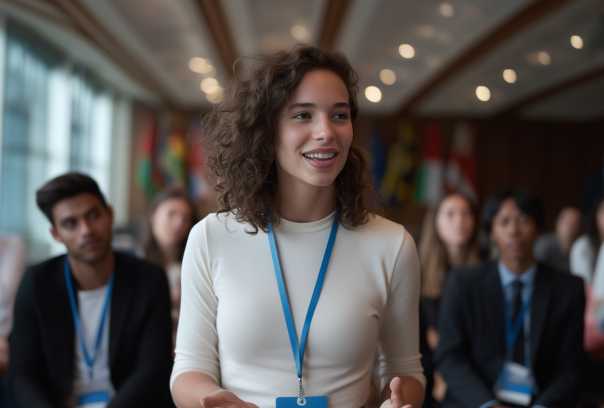
As a Community Champion Sponsor, Schiller participated in the summit as both an international university and an active member of Tampa’s growing global community. Schiller was represented throughout the event by Dr. Jennifer King, President of U.S. Operations, and Suheily Martinez, Tampa Campus Director, alongside students who participated in different roles across the summit.
Dr. Jennifer King also represented the university in the closing conversation, “What’s Next for Tampa on the Global Stage,” joining leaders to discuss the partnerships, talent and international connections that can help shape Tampa’s next chapter.
Key Takeaways
- Connecting Education and Industry: Dr. King highlighted the need for universities and employers to work together so that graduates develop the skills and competencies required in today’s workforce.
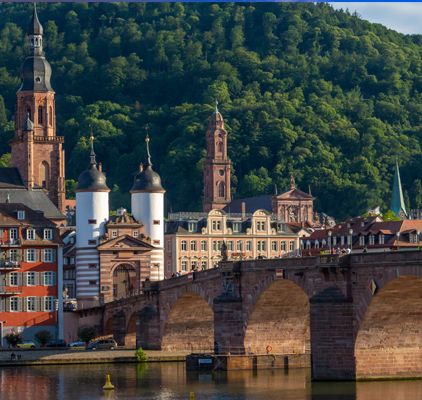
- Preparing Global Talent: Schiller’s international model and intercampus mobility across Tampa, Madrid, Paris and Heidelberg provide a distinctive perspective on global workforce preparation.
- Moving From Degrees to Skills: Higher education must consider not only what students study, but also how effectively their learning prepares them to contribute in professional environments.
- Experiential Learning at TIDES: Schiller students participated as conference guests, volunteers and expo representatives, engaging directly with professionals and international organizations, with Suheily Martinez joining students and representing the Tampa Campus throughout the event.
- Contributing to Tampa’s Global Future: Schiller’s participation reflects the role international higher education can play in attracting talent, strengthening cross-border collaboration and supporting Tampa’s international development.
What’s Next for Tampa on the Global Stage?
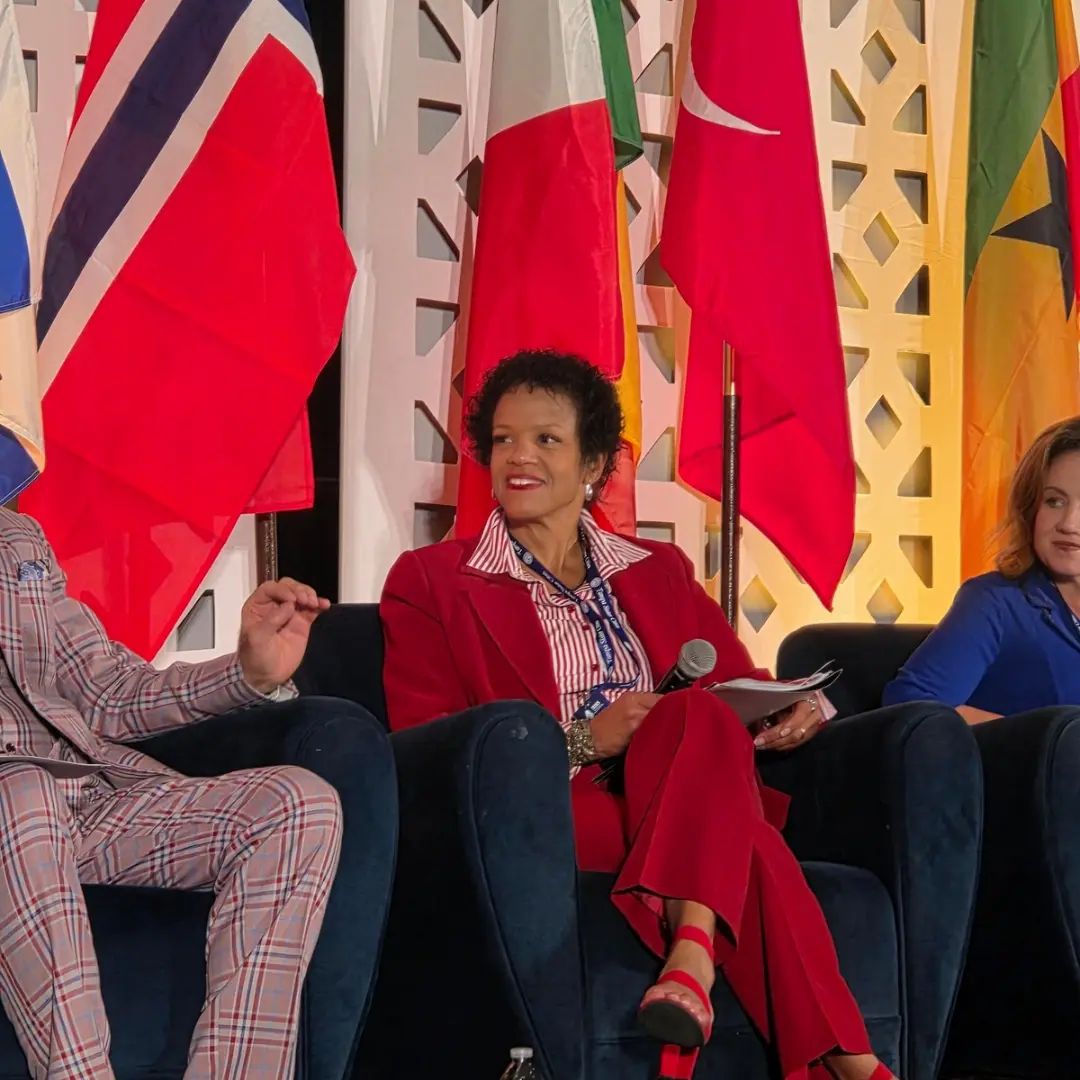 The closing main-stage session brought the summit’s five tracks together around one central question: What should Tampa build, strengthen and coordinate to become one of the country’s most globally connected cities?
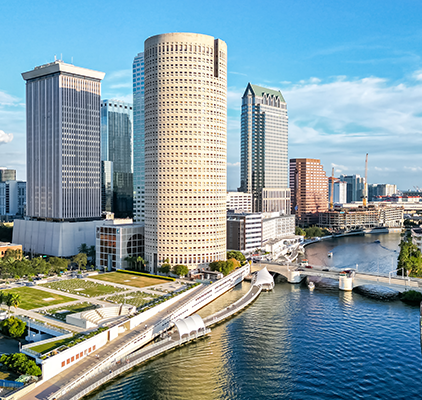
Tampa already has many of the assets associated with an international city, including a major airport, port infrastructure, universities, health and research organizations, a growing startup ecosystem and international business connections. The conversation focused on how these strengths can be better coordinated across institutions, civic leadership, businesses, universities and international partners.
Dr. King contributed the perspective of an international higher-education institution, focusing particularly on global talent and the relationship between universities and industry.
Her central message was that preparing the workforce of the future requires both sides to work more closely together.
Building a Stronger Bridge Between Universities and Industry
Traditionally, higher education has focused heavily on earning a degree. Employers, however, increasingly focus on the skills and competencies graduates can bring into the workplace.
For Dr. King, universities therefore need to understand what employers actually need and use that knowledge to better prepare their students. This can include working with industry partners when developing programs, identifying relevant skills and creating experiential-learning opportunities where students can apply academic knowledge in professional contexts.
Schiller’s collaboration with UNITAR in our Master’s in International Relations and Diplomacy and Master’s in Sustainability Management provides one example. Feedback about the skills students need to succeed can help inform their preparation, while opportunities such as fellowships can provide a space to apply that knowledge in a professional environment.
The principle is straightforward: the future of higher education depends not only on which degrees universities offer, but on how effectively education and industry work together to prepare graduates for what comes next.
A Global Educational Model for a Global Workforce
Dr. King also highlighted Schiller’s international footprint as one of the university’s distinctive strengths.
With campuses in Tampa, Madrid, Paris and Heidelberg, Schiller’s intercampus mobility model allows students to experience different countries and academic environments within the same university.
That multinational presence not only provides students with a global educational experience. It can also create opportunities for partnerships with organizations seeking an educational partner capable of connecting people and ideas across borders.
This perspective fits naturally within the wider goals of TIDES. The summit’s Education Track explored international education, academic exchange, collaborative research and workforce development, examining how educational institutions can help prepare globally connected communities.
Bringing Students Into Tampa’s International Conversation
Schiller’s participation at TIDES extended beyond the main stage.
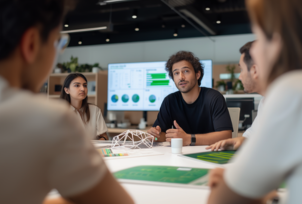
With Suheily Martinez, Tampa Campus Director, representing the Campus alongside our students, students took part as conference guests, volunteers and expo representatives, giving them the opportunity to engage with diplomats, business leaders, educators and international organizations throughout the summit.
For students, these experiences turn concepts such as diplomacy, global business, international cooperation and workforce development into conversations with the people actively working in those areas.
Having both university and Campus leadership present also reflected the importance Schiller places on engaging directly with the professional and international community surrounding our Tampa Campus. Dr. King contributed to the wider conversation about education and Tampa’s global future, while Suheily Martinez accompanied the Campus community participating throughout the summit.
Schiller’s presence at TIDES therefore represented more than sponsorship or participation in one event. It reflected the university’s commitment to being an active partner in Tampa’s international growth and to building stronger bridges between education, industry and the global community.
As Tampa considers its next chapter on the global stage, international education has an important role to play: attracting and preparing talent, connecting local communities with partners abroad and ensuring that the next generation of professionals is ready to work across cultures, markets and borders.
 Request information