 Request information

How Paundra Hanutama Is Driving Climate Action Through Mangrove Restoration
Student Spotlight: Paundra Hanutama
At Schiller International University's Paris campus, MS Sustainability Management student Paundra Hanutama is turning his passion for environmental sustainability into tangible action. As the founder of Mangrove Jakarta, a youth-led initiative dedicated to mangrove conservation, climate awareness, and environmental education, he has created opportunities for young people to engage directly with some of the world's most important coastal ecosystems.
Founded in 2020, Mangrove Jakarta began as a community-driven effort to promote mangrove planting and raise awareness about the critical role mangrove forests play in combating climate change and protecting biodiversity. Since then, the organization, based in Jakarta, has expanded its impact through environmental campaigns, conservation projects, educational program, and international collaborations focused on sustainable development.
One of its most ambitious initiatives is the Mangrove Impact Fellowship, an international program designed to bring together emerging leaders, environmental advocates, and students from around the world to learn about mangrove conservation through both virtual learning and hands-on field experience in Indonesia. The fellowship combines environmental education, cross-cultural exchange, and practical conservation activities, providing participants with a deeper understanding of coastal resilience, biodiversity protection, and climate action.
The 2026 edition of the fellowship welcomed participants from multiple countries across Asia, Africa, Europe, and the Middle East, creating a unique platform for global collaboration around one of the most pressing environmental challenges of our time. Through workshops, networking opportunities, and field-based conservation activities, participants explored how international cooperation can contribute to the long-term protection and restoration of mangrove ecosystems.
We spoke with Paundra about the inspiration behind Mangrove Jakarta, the vision that led him to establish the Mangrove Impact Fellowship, and how studying sustainability in Europe at Schiller has helped shape his approach to leadership and global impact.
You founded Mangrove Jakarta with a mission rooted in sustainability, mangrove restoration, and ecosystem conservation. How did the idea first originate? Was there a particular moment or experience that inspired you to focus on protecting mangrove ecosystems?
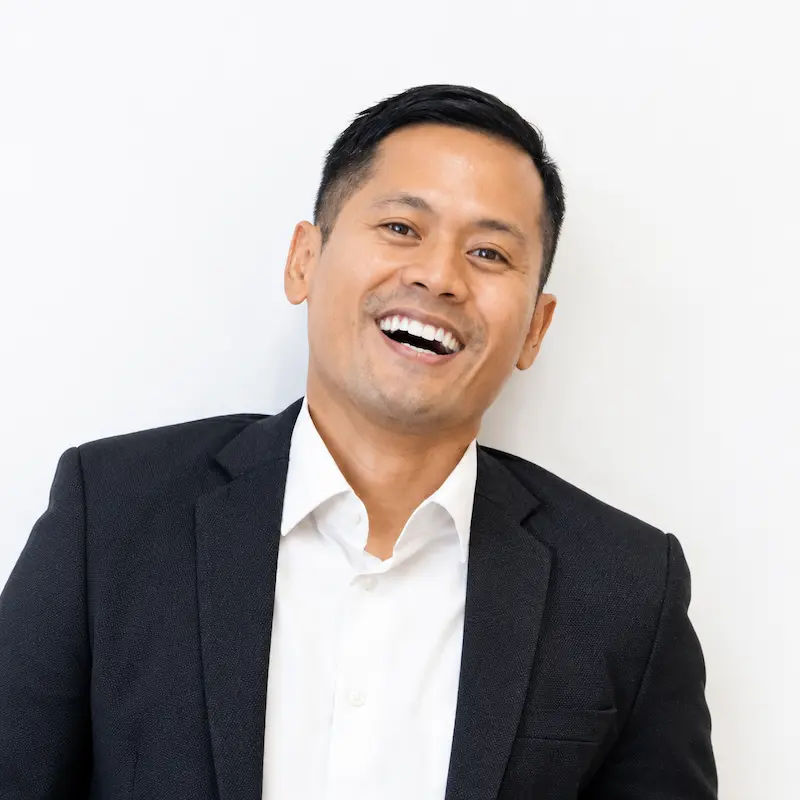 The idea of founding Mangrove Jakarta in 2020 originated from my professional experience in Public Relations, where I was frequently involved in developing Corporate Social Responsibility (CSR) programs for companies. During that time, I conducted extensive research on environmental initiatives that could create meaningful and measurable impact for both communities and the environment.
Through this research, I discovered the extraordinary value of mangrove ecosystems. Mangroves not only help absorb significant amounts of carbon, but also protect coastlines from erosion, support biodiversity, and provide economic benefits for coastal communities. I realized that mangrove restoration offered a unique solution that addresses multiple environmental and social challenges at once.
“my mission has evolved beyond simply planting mangroves. It has become about building environmental awareness, empowering communities, and creating long-term sustainability impact.”
What inspired me most was seeing how many people and organizations wanted to contribute to sustainability but lacked accessible opportunities to act. This motivated me to establish Mangrove Jakarta as a platform that connects individuals, communities, students, and corporations with meaningful conservation activities.
Since then, my mission has evolved beyond simply planting mangroves. It has become about building environmental awareness, empowering communities, and creating long-term sustainability impact. Through Mangrove Jakarta and Yayasan Mangrove Indonesia Lestari, I believe that every person can contribute to protecting our planet, one mangrove at a time.
The fellowship brought together participants from different countries. Why was global collaboration such an important part of the program, especially when addressing shared challenges like climate action and sustainable development?
Global collaboration was a very important part of the fellowship because climate change and environmental degradation are challenges that do not recognize national borders. While the impacts may differ from one country to another, we are all facing similar issues related to sustainability, biodiversity loss, and climate resilience.
On a personal level, I wanted to create an opportunity for young people from different countries to work together, exchange ideas, and learn from each other's experiences. Every country has unique approaches, innovations, and solutions to environmental challenges. By bringing participants together, we created a space where these diverse perspectives could inspire new ways of thinking and problem-solving.
“By connecting with young changemakers from around the world, we can strengthen partnerships, share best practices, and develop innovative solutions that contribute to a more sustainable future for everyone.”
The fellowship was not only about learning from Indonesia's mangrove conservation efforts but also about building a global network of young leaders who are passionate about creating positive environmental impact. Through discussions, field experiences, and cultural exchange, participants gained a deeper understanding of both local and global sustainability challenges.
I believe that meaningful climate action requires collaboration across sectors, cultures, and countries. By connecting with young changemakers from around the world, we can strengthen partnerships, share best practices, and develop innovative solutions that contribute to a more sustainable future for everyone.
What community impact do you hope the fellowship will have on participants and the local communities involved, particularly in relation to climate resilience and long-term environmental awareness?
The primary impact we hope to create through the fellowship is empowering participants to become sustainability ambassadors and change-makers within their own communities. We believe that meaningful environmental change begins with informed and engaged individuals who can inspire others and translate knowledge into action.
For the participants, the fellowship provides not only practical experience in mangrove conservation and climate action but also a deeper understanding of the connections between environmental protection, community well-being, green business models, and sustainable development. We hope they leave with new skills, global perspectives, and a strong network of peers committed to addressing environmental challenges.
“Through increased awareness and conservation efforts, we hope communities will better understand the value of protecting these ecosystems as part of their climate adaptation strategies.”
For local communities, the fellowship creates opportunities for knowledge exchange and greater visibility of the important role they play in protecting coastal ecosystems. By involving community members in conservation activities and discussions, we aim to strengthen local ownership of environmental initiatives and encourage sustainable practices that can be maintained over the long term.
In terms of climate resilience, mangrove ecosystems serve as natural barriers against coastal erosion, flooding, and the impacts of extreme weather events. Through increased awareness and conservation efforts, we hope communities will better understand the value of protecting these ecosystems as part of their climate adaptation strategies.
Ultimately, our goal is to create a ripple effect where participants return to their countries inspired to lead sustainability initiatives, while local communities continue to benefit from stronger environmental stewardship, greater resilience, and long-term awareness of the importance of ecosystem conservation.
Through your work in conservation projects and international initiatives, what lessons have you learned about environmental leadership, and what skills do you think are most important for leading meaningful change?
Through my work in mangrove conservation, community engagement, and international sustainability initiatives, I have learned that environmental leadership is about bringing people together around a shared purpose. Environmental challenges are complex and require collaboration among communities, governments, businesses, academics, and young people. Meaningful change cannot be achieved in isolation.
One of the most valuable lessons I have learned is that long-term impact comes from empowering others. While activities such as mangrove planting are important, lasting success depends on educating communities, building awareness, and creating local ownership so that conservation efforts continue beyond a single project.
Working with participants from different countries has also reinforced the importance of empathy, communication, collaboration, and resilience. Effective leaders must be willing to listen, learn from diverse perspectives, and adapt solutions to local contexts. Ultimately, environmental leadership is about inspiring people to believe their actions matter and empowering them to become part of the solution.
Looking back, what achievement are you most proud of since founding the organization, especially in terms of biodiversity conservation and contributing to the Sustainable Development Goals (SDGs)?
Looking back, the achievement I am most proud of is building a movement that creates lasting environmental and social impact beyond mangrove planting. Since founding Yayasan Mangrove Indonesia Lestari in 2020, we have planted more than 24,000 mangroves while engaging youth, local communities, schools, corporations, and international participants in conservation and climate action initiatives.
“I led my team to become a two-time winner of the Alliance Students Venture Forum (ASVF) in South Korea, achieving First Place in both 2024 and 2025 for our innovative and sustainability-driven business solutions.”
I am also proud to have launched the International Mangrove Impact Fellowship, which brought together delegates from 14 countries to collaborate on sustainability challenges and environmental solutions. Additionally, I led my team to become a two-time winner of the Alliance Students Venture Forum (ASVF) in South Korea, achieving First Place in both 2024 and 2025 for our innovative and sustainability-driven business solutions.
Our work contributes to several Sustainable Development Goals, including Climate Action (SDG 13), Life Below Water (SDG 14), Life on Land (SDG 15), Quality Education (SDG 4), and Partnerships for the Goals (SDG 17). For me, the greatest success is seeing individuals and communities become active environmental stewards, ensuring that conservation efforts continue long after a project or program has ended.
What advice would you give to Schiller students who want to launch their own sustainability-focused projects and create positive impact in their communities?
My advice to Schiller students is to start with a problem you genuinely care about and focus on creating solutions that are practical and meaningful. You do not need significant funding or a large organization to make a difference—many impactful initiatives begin with a simple idea and consistent action.
Take time to understand the issue, listen to the people affected, and design solutions that create real value for the community. Start small, test your ideas, and focus on achieving measurable results. As your project grows, build partnerships with communities, universities, businesses, NGOs, and government institutions to expand your impact.
Most importantly, be resilient and stay committed to your mission. Meaningful change takes time. Leadership is not about having all the answers; it is about taking initiative, inspiring others, and turning ideas into action that benefits both people and the planet.