Request information
Why Multicultural Classrooms Are the New Standard for Global Careers
Think about the last time you worked on a group project. Chances are, everyone in your group thought a lot like you, had similar experiences, and approached problems the same way.
Now imagine doing that same project with people from five different countries, speaking three different languages, and bringing completely different ways of solving problems to the table. That is what modern workplaces look like today. And multicultural classrooms are where you learn to thrive in them.
What is a Multicultural Classroom?
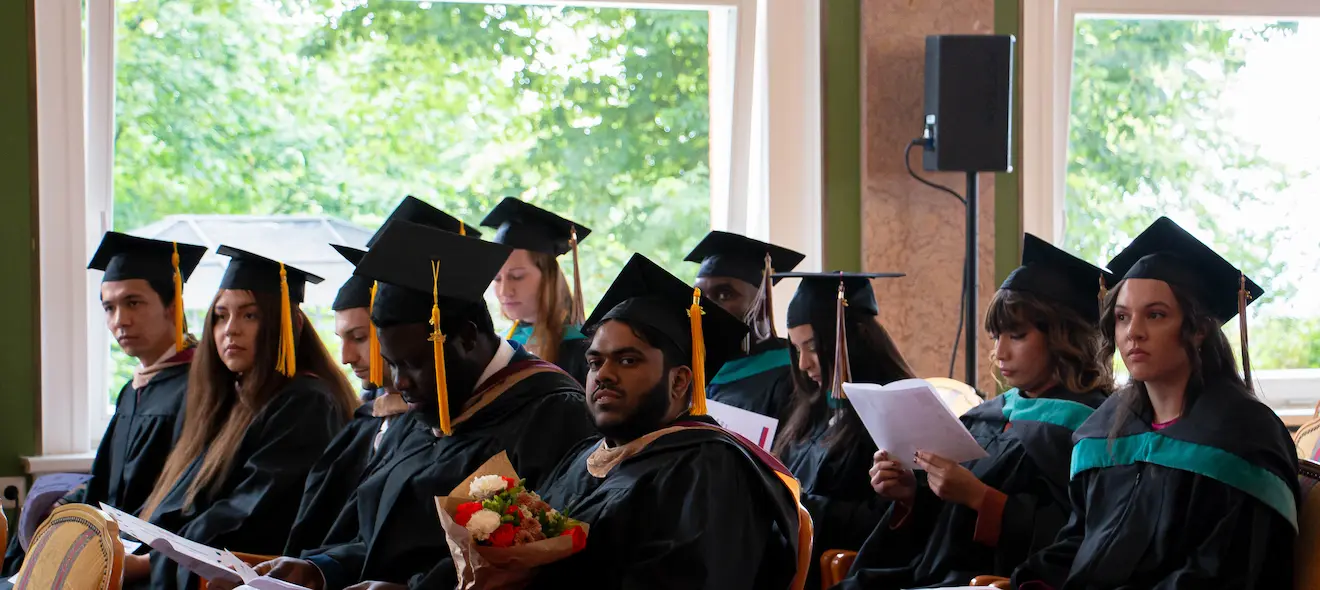
A multicultural learning environment is one where students from different cultural, ethnic, linguistic, and social backgrounds learn together. It is not just about having students from different countries in the same room; it is about an intentional approach to education that values diversity.
In these classrooms:
- Perspectives collide productively: You are exposed to different worldviews, problem-solving methods, and communication styles every single day.
- Cultural awareness is built naturally: Not from a textbook, but through real conversations with real people whose lived experiences differ from yours.
- Inclusion is active, not passive: Teachers integrate diverse content, reduce bias in how they teach, and ensure every student has an equitable shot.
The multicultural classroom is essentially a simulation of the modern global workplace. Studies show that graduates with multicultural or international exposure are better prepared for global recruitment processes and demonstrate stronger employability due to their cultural competence and adaptability.
Why Multicultural Classrooms are Important in 2026 and Beyond
The workplace has changed dramatically. Remote teams, international collaborations, and cross-border projects are no longer limited to big corporations; they are everywhere, from startups to nonprofits to government agencies.
According to McKinsey, companies that prioritize ethnic diversity are 39% more likely to outperform their regional industry peers financially. Employers know that diverse teams produce better results, so, they are specifically looking for candidates who already know how to work within them.
Multicultural classrooms prepare you for this world before you ever step into a boardroom or a Zoom call with colleagues from six time zones.
Benefits of Multicultural Education for Your Career
Multicultural education goes beyond academic learning by exposing you to diverse perspectives and real-world ways of thinking. It equips you with:
1. Understanding of Cultural Intelligence (CQ)
Cultural intelligence, or CQ, is your ability to understand and work effectively with people from different cultural backgrounds. It is a measurable skill set. In a multicultural classroom, you practice this every day:
- Reading a room differently: Learning when to speak up and when to listen, based on cultural cues.
- Adapting communication styles: Some cultures are direct; others are more indirect. You learn to read both.
- Resolving conflict across differences: Not everyone argues the same way. Understanding that is huge.
- Building trust across cultural lines: It takes time, intentionality, and genuine curiosity about others.
Think of it as your cultural intelligence getting a daily workout. By the time you graduate, your CQ is already well-developed, and that is something most of your peers won't have.
2. Improved Intercultural Communication Skills
Communication is the foundation of every job. But intercultural communication, i.e., the ability to communicate effectively across cultural differences, is a whole other level.
Employers in the British Council survey identified key risks of not having employees with intercultural skills: loss of clients, damage to organizational reputation, and team conflict. In a multicultural classroom, your communication skills sharpen:
- You learn to listen differently: Not just to the words, but to what's unsaid, and why. You develop a fresh new perspective on things.
- You adapt your message: What lands with one audience might completely miss another. You learn this through studying at an international university.
- Your language confidence grows: Practicing language alongside peers from different native languages and backgrounds offers real-world exposure, improving fluency, ease of expression, and communication confidence.
These are the exact skills that make professionals stand out in global careers, especially in fields like international relations, diplomacy, global development, and multinational consulting.
3. Holistic Development Through Global Curriculum
Multicultural classrooms support holistic development by going beyond textbooks and traditional learning methods. A globally integrated curriculum exposes students to diverse perspectives, helping you understand different cultures, values, and ways of thinking.
This environment strengthens emotional intelligence and empathy, as students learn to collaborate with peers from varied backgrounds. It also builds social confidence and adaptability, preparing you to navigate unfamiliar situations with ease.
Such learning shapes not just academically strong individuals, but truly career-ready graduates with a well-rounded personality.
4. Cross-cultural Collaboration for Better Teamwork
Knowing how to collaborate is not the same as knowing how to collaborate across cultures. Timing, hierarchy, decision-making styles, and feedback culture all vary significantly across cultures. If you have only ever worked with people who think like you, you will be blindsided by this in a global workplace.
Multicultural classrooms give you real practice in cross-cultural collaboration:
- You negotiate roles in diverse teams.
- You learn to give and receive feedback across cultures.
- You develop empathy as a professional tool.
When working across cultural boundaries, empathy and respect foster collaboration, lowering bias, reducing miscommunications, and increasing team cohesion. By the time you start your career, you will have hundreds of these experiences.
5. You Develop a Global Mindset
A global mindset means you can think beyond your own context. You can spot opportunities in unfamiliar markets, anticipate challenges that others miss, and adapt quickly when situations change.
Multicultural classrooms accelerate that adaptability because:
- Exposure to different thinking patterns challenges your assumptions.
- Diverse collaboration builds cognitive flexibility.
- You get comfortable with ambiguity.
This is the kind of development that workshops and corporate training programs try to replicate. With international friends and global curriculum, you get this built into your education.
Businesses that are open to inclusion have a 120% higher chance of accomplishing their financial goals (WeWork), and companies know that diverse thinking is a core driver of that.
What Employers are Actually Looking for?
Cultural intelligence (CQ), communication agility, teamwork across cultures, critical thinking, and adaptability are rated among the top skills employers seek from candidates. And the numbers back that up:
- Implementation of diversity, equity, and inclusion measures reached 83%, up significantly from 67% just a year earlier (DOIT).
- Companies with diverse management produce 19% more revenue on average (Forbes).
- Teams with people of different ethnic backgrounds are 33% more likely to perform better than non-diverse teams (McKinsey).
Diversity is not a checkbox anymore; it is a business strategy. And students who have trained in multicultural environments arrive with a head start.
Be Part of Multicultural Classroom with Schiller
Multicultural education develops what employers call 'global employability skills': intercultural competence, communication, adaptability, and teamwork. These are the qualities that are in high demand across borders.
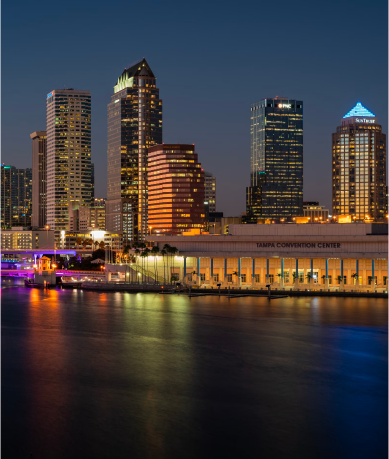
Schiller prepares students for global careers through international exposure. With four campuses across Tampa, Paris, Madrid, and Heidelberg, a multicultural environment is built in.
Programs are designed with cross-cultural competence at their core, while early industry exposure through the Global Employability Path connects students with real-world opportunities.
The world's workplaces are diverse, distributed, and global. The students who thrive in those environments won't be the ones who learned about cultural diversity in a lecture; they will be the ones who actually lived it.
Be part of multicultural education with Schiller.
FAQs
Q1. Why are multicultural classrooms important in higher education?
Multicultural classrooms expose students to diverse perspectives, helping them think critically and challenge their assumptions. They create a more inclusive learning environment that reflects real-world diversity.
Q2. How do multicultural classrooms prepare students for global careers?
They help students develop cultural competency and adaptability, which are essential for working across borders. This kind of exposure mirrors global workplaces, making graduates more career-ready.
Q3. What skills do students gain in a multicultural learning environment?
Students develop soft skills like communication, teamwork, and cross-cultural collaboration. They also build problem-solving abilities by learning to approach challenges from multiple perspectives.
Q4. Do employers value multicultural education experience?
Yes, employers highly value candidates who can work in diverse teams and navigate cultural differences effectively. It signals global awareness, flexibility, and strong interpersonal skills.
Q5. How does studying with international students benefit your career?
It expands your professional network and gives you firsthand experience in working with people from different backgrounds. This exposure enhances your ability to thrive in global and multicultural work environments.
Discover Our Campuses
Our BA in International Relations and Diplomacy is available online and at the following campuses: