Request information
From Classroom to Career: How Multicultural Education Prepares You for the Global Workforce
Multicultural education helps you build a global mindset and professional readiness required in a world where careers cross borders, cultures, and technologies. By learning alongside peers from different countries, you gain cultural intelligence (CQ), communication adaptability, and problem-solving skills that align with employers' needs today.
As industries expand across regions and teams become more international, this form of learning can help you strengthen your global employability and explore career opportunities. The World Economic Forum notes that most children entering primary school today will eventually work in roles that do not yet exist, which makes adaptability and human-centered skills that can be learned through multicultural classrooms even more essential in the years ahead.
Why Multicultural Education Matters for Career Readiness
Employers value people who can collaborate effectively in diverse teams, interpret unfamiliar contexts quickly, and respond flexibly to change. Multicultural education strengthens these abilities through daily interactions, shared tasks, and exposure to different thinking patterns. You will become more aware of your assumptions and more skilled at navigating differences with respect and clarity. In a job market shaped by automation and AI, these capabilities will help you stand out. Technical knowledge may open doors, but human skills will determine whether you thrive in dynamic, cross-border environments.
Core Skills Multicultural Education Builds
A well-designed multicultural learning environment strengthens competencies that directly influence global workforce success. These skills support international career preparation and create concrete examples students can use in interviews, CVs, and professional conversations.
1. Cultural Intelligence (CQ) and Global Mindset
Cultural intelligence grows only when you understand what cultural diversity is. By consistently interacting with people who see the world differently, instead of relying on assumptions, you learn to interpret cues, adapt communication styles, and choose responses that maintain trust.
It is one of the strongest predictors of leadership success in international teams, where miscommunication can impede collaboration and impact outcomes. CQ also supports global mindset development, allowing you to approach unfamiliar settings with confidence and flexibility.
2. Intercultural Communication and Language Agility
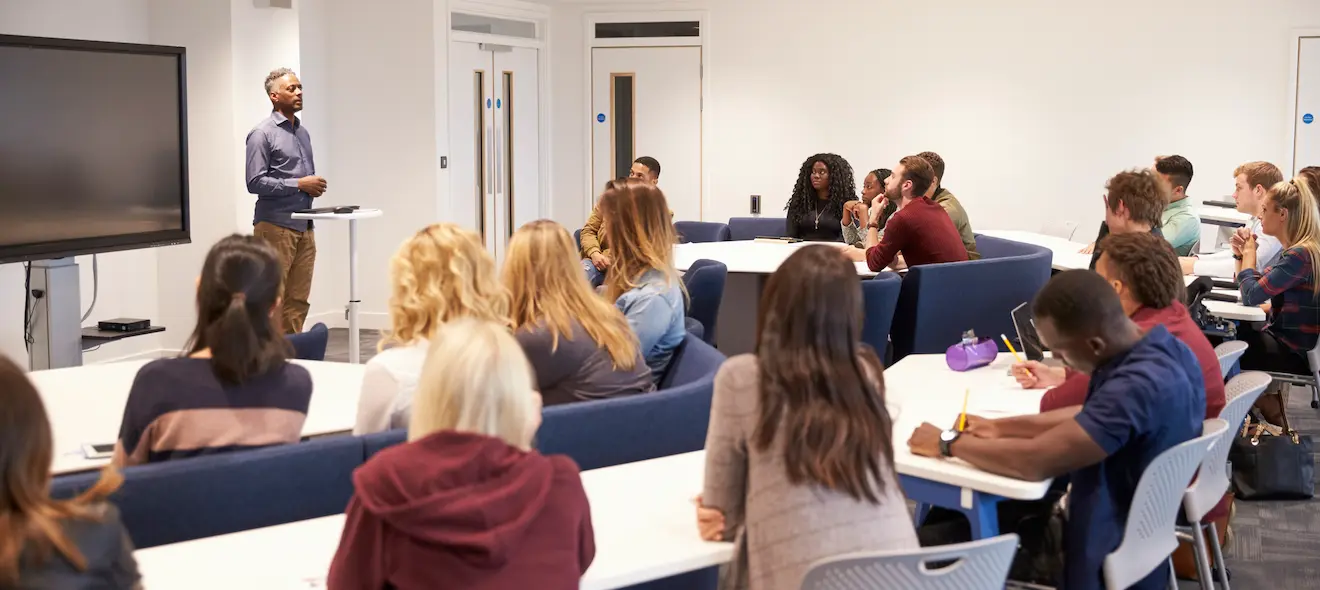
You quickly learn that meaning does not transfer automatically across cultures. Working with international peers will teach you to clarify intentions, express ideas concisely, and listen actively. These habits will help you improve collaboration and reduce misunderstandings, especially on global projects.
You may also study in classrooms where students engage in multiple languages at once. This linguistic exposure will sharpen your communication agility and support long-term career mobility. These skills will help you distinguish yourself when applying for roles directly related to the benefits of multicultural education for global careers.
3. Critical Thinking, Creativity, and Global Problem-Solving
When a group includes people with different cultural and academic backgrounds, familiar solutions get challenged. It will be an excellent opportunity for you to gain experience analyzing issues from several angles, identifying bias, and approaching problems with curiosity instead of fixed assumptions.
Research shows that studying in a multicultural environment leads to more innovative solutions and stronger critical thinking skills, which matter in leadership, diplomacy, business strategy, and any field shaped by rapid change. These capabilities also closely align with soft skills for global careers and problem-solving demands in global problem-solving.
4. Adaptability, Resilience, and Leadership
Differences in learning styles, communication preferences, and expectations build resilience. In a multicultural classroom, you will learn to adjust quickly, manage ambiguity, and lead with empathy. These strengths support global leadership skills and prepare you for roles that require navigating multicultural teams, hybrid settings, or multi-market operations. Employers consistently recognize adaptability as a marker of long-term potential.
Academic research reinforces these outcomes. Studies show measurable differences in student performance in multicultural university environments. One study using the Bonferroni test found significant achievement differences among students in vocational qualifications, bachelor’s degrees, and master’s degrees in multicultural settings.
How Employers Value Multicultural Skills
Employers recognize the power of international education. They understand that a multicultural background gives candidates diverse perspectives to work with cross-cultural teams, resolve conflicts, and collaborate globally. Students who receive multicultural education can:
- Demonstrate skills to lead a group of peers from multiple countries, conduct research comparing regional markets, or present solutions shaped by diverse viewpoints.
- Adapt to new environments quickly, switch communication styles appropriately, and manage tasks involving international stakeholders.
- Support workplace cultural competency and contribute to companies expanding into new regions.
Employers value how multicultural learning helps students develop stronger interpersonal skills, broader perspectives, and a more inclusive worldview, which can lead to long-term professional success.
Schiller International University’s Approach to Multicultural Career Preparation
If you are searching for programs that align education with global employability, you will find a strong fit in Schiller’s multi-campus model.
- Our bachelor's and master's degrees in international relations can help you build intercultural communication skills, cultural intelligence, and leadership readiness through hands-on projects and cross-country coursework.
- With our BSc in International Business and MBA in International Business, you will engage in real-world teamwork and become part of an international student community that will help you strengthen every skill employers associate with global workforce success.
- Our intercampus mobility program allows you to study at our campuses in Madrid, Paris, Heidelberg, and Tampa, where you can experience multicultural collaboration daily and convert those experiences into long-term career pathways.
Multicultural education strengthens the qualities that matter in a digitally-driven global workforce. From communication agility and cultural intelligence to adaptability and creative problem-solving, you will learn to navigate opportunities, lead teams, and connect with people from different backgrounds. As industries shift, many new roles will appear. Graduates with an inclusive mindset and global competencies will be ready to move confidently into international careers and leadership roles.
Explore Schiller’s international relations and international business programs to take the next step toward a global career.
FAQs
Q1. How does multicultural education help students succeed in the global job market?
It can help you build cultural intelligence, intercultural communication, and adaptability. Employers value these skills in their teams who deal with diverse customers, clientele, and international relations. You will also experience practical examples of cross-border projects and linguistic differences that can help you improve your overall cultural skills.
Q2. Which skills gained in multicultural classrooms are most valuable to employers?
Cultural intelligence (CQ), communication agility, teamwork across cultures, critical thinking, and adaptability are rated among the top skills students gain from multicultural classrooms. Employers list these soft skills alongside technical knowledge for roles involving global teams, markets, or customers.
Q3. Does studying with international peers improve communication and teamwork abilities?
Yes. Working repeatedly with peers from diverse backgrounds will force you to communicate clearly, negotiate more effectively, and develop advanced conflict-resolution skills. You can apply these skills directly to your future workplace and client interactions. Research also shows that multicultural learning reduces prejudice and fosters democratic attitudes.
Q4. What types of careers benefit most from multicultural education?
International business, diplomacy, global management, consultancy, international development, and any role that requires working across borders or with diverse customers. Technology, healthcare, and education roles with global teams also benefit from this education.
Q5. How can students maximize the career advantages of multicultural learning environments?
You can apply for leadership roles where you can lead diverse teams, pursue internships with an international scope, document measurable outcomes from cross-cultural projects, learn another language, and use multi-campus or exchange opportunities to expand your network.
Discover Our Campuses