Request information
Schiller International University Students Visit the German Cancer Research Center in Heidelberg
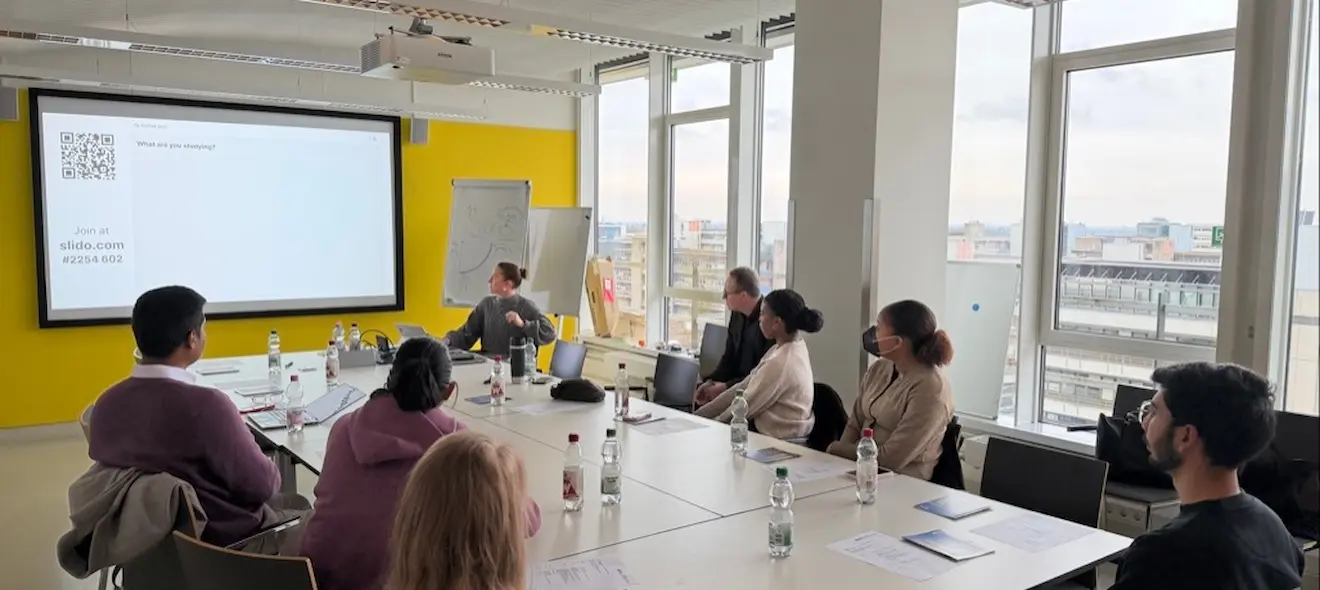
Students from Schiller International University’s Heidelberg campus recently visited the German Cancer Research Center (DKFZ) as part of a joint initiative between the Research & Methodology course and the campus Employability Calendar.
The visit offered students a real-world case study experience at the DKFZ, Germany’s largest biomedical research institution and a globally recognized leader in oncology research. Located in Heidelberg, the center employs more than 3,400 professionals from over 90 nationalities, creating a uniquely international research environment that reflects the collaborative nature of modern science.
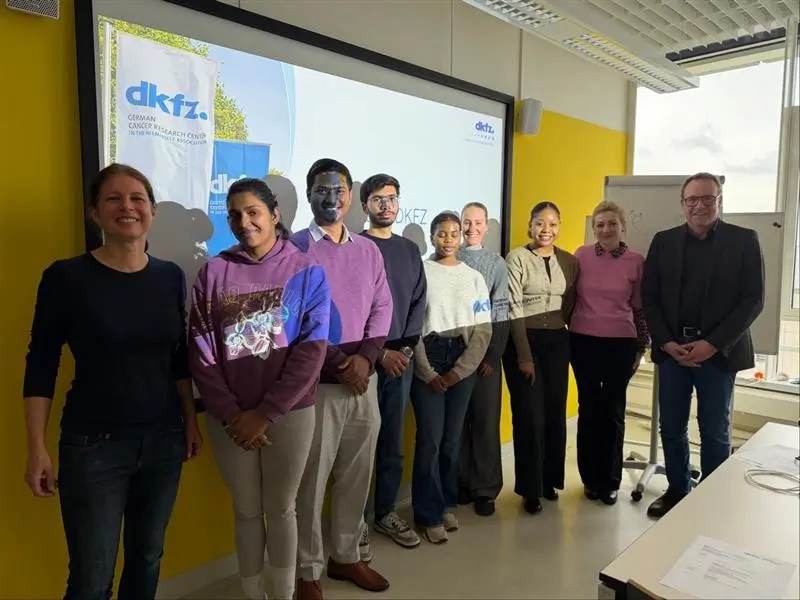 Throughout the visit, students gained first-hand insight into how large-scale research organizations translate scientific discovery into measurable societal impact. Discussions highlighted DKFZ’s role not only in advancing cancer biology and treatment, but also in shaping public health policy, prevention strategies, and international research partnerships.
The program began with an introduction to DKFZ’s history, mission, and long-term strategic development delivered by Jürgen Berger. Students explored how the institution has evolved into a central pillar of Germany’s cancer research ecosystem, collaborating closely with universities, hospitals, and global research networks.
Representatives from Strategic Communication and Public Relations then provided an overview of the center’s current research programs, cancer prevention initiatives, and public engagement efforts. This session offered valuable insight into how scientific institutions communicate complex findings to policymakers, healthcare providers, and the broader public—an essential component in ensuring that research translates into real-world change.
From an academic perspective, Eva Krieghoff-Henning introduced students to developments in cancer diagnostics, imaging technologies, and personalized oncology. Her presentation demonstrated how cutting-edge data analysis, precision medicine, and interdisciplinary collaboration are transforming patient care. Students were encouraged to reflect on how research methodologies studied in the classroom are applied in high-impact scientific environments.
Carolin Winkler concluded the visit by outlining DKFZ’s training programs, internships, and career pathways. She highlighted opportunities for international students and graduates in research, project management, science communication, and administrative roles, offering practical guidance on entering the biomedical sector.
For Schiller students, the experience reinforced key themes from their Research & Methodology coursework—critical thinking, data-driven analysis, and ethical responsibility—while also supporting the university’s employability focus. By bridging academic theory with institutional practice, the visit demonstrated how interdisciplinary knowledge, global collaboration, and innovation intersect in today’s healthcare landscape.
The initiative reflects Schiller International University’s continued commitment to experiential learning and career-oriented education. By connecting students with leading institutions such as DKFZ, the Heidelberg campus ensures that graduates are not only academically prepared but also professionally equipped to contribute meaningfully to global challenges.

Discover Our Campuses
Our BA in International Relations and Diplomacy is available online and at the following campuses: