Request information

Visa Delays and Deferred Admissions in the US: What International Applicants Should Know for 2026 Intakes
For many international students planning to study in the United States in 2026, the biggest challenge has become something outside their control: the visa process. Students are securing admission, receiving their Form I-20 (the certificate of eligibility for non-immigrant student status in the US), completing their Student and Exchange Visitor Information System (SEVIS) requirements, and still finding themselves stuck because they cannot get a timely visa appointment or final decision.
The situation is not unique to a few students. According to an institutional survey by the Open Doors 2025 report, 96% of US colleges say visa delays and denials are the main reason their new international enrollment numbers are declining, while 68% say travel restrictions are also affecting student arrivals. This shows that visa issues are shaping the entire international admissions cycle for 2026.
Understanding what is happening, why it is happening, and what steps you can take will help you plan your next moves with clarity.
Why US Visa Delays Are Increasing in 2026
The delays students are experiencing in the 2026 cycle are not random, and they are not the result of individual errors on their applications. They come from broader shifts in how the US processes visas during a time of high global demand, diplomatic tensions, and tighter immigration rules. Understanding what drives these slowdowns helps you plan realistically and avoid last-minute surprises, especially if your academic timeline is already tight.
1. Embassy Backlogs Are Still Not Fully Cleared
The US embassies in countries with high numbers of study-abroad applicants are still dealing with cases from previous years. Even though operations have improved, the number of visa applications is growing faster than embassies can process them.
2. Record-high Demand for US Education
Although new international student enrollments fell by 17% in the 2025–2026 academic year, according to the Institute of International Education’s (IIE) Fall 2025 Snapshot survey, the overall demand for US education remains extremely high. It is because consulates are not only processing first-time student applicants, but also those of:
- Returning students.
- Students reapplying after previous refusals.
- Dependents applying for F-2 visas.
Together, these groups create far more pressure on the visa system than the number of new enrollments alone, which is why interview slots get filled quickly and wait times continue to grow.
3. Additional Security and Background Checks
Some students are placed under what the embassy calls Administrative Processing, often referred to as 221(g). In simple terms, this means your application needs extra background checks before a final decision can be made. It does not mean that your visa will be denied, but it may delay your application by several weeks or even months to your timeline.
4. Stricter Interpretation of Section 214(b)
It is also common for students to face 214(b) denials, which happen when the visa officer is not convinced that the applicant has strong enough ties to return home after studying in the US. Even small changes in how officers interpret this rule may lead to additional interview questions, longer interview times, and more refusals, all of which slow down the process for everyone else.
5. Geopolitical and Global-Security Pressures Increasing Visa Scrutiny
Visa delays affecting many students now stem from new security policies, which are also reshaping the application process. In 2025, the US State Department temporarily paused all new student visa interviews worldwide. When interviews resumed, they came with heightened screening requirements. Every applicant must now consent to detailed social-media and online-presence vetting. Authorities look for any signs of 'hostility towards the United States,' or support for extremist ideologies or organizations. This shift has translated into dramatic increases in visa denials.
How Visa Delays Affect Students in Real Time
Visa delays are disrupting students at a time when they should be preparing to start classes. Even after completing every requirement:
- Secure admission.
- Receive the Form I-20.
- Pay deposits for housing or tuition.
- Leave jobs or pause other commitments.
- Complete their SEVIS registration.
Many students are unable to travel or start classes because their visa interview or final decision is still pending. This creates uncertainty around arrival dates, academic planning, and personal commitments, making it difficult to move confidently into the new academic year.
Some students get appointments only after the semester begins. Others face last-minute administrative checks. Some receive their visa too late to travel, even though their academic admission is still valid.
What Deferred Admissions Are
When visa timelines become uncertain, deferred admissions offer a practical safety net. A deferral allows you to keep your university place but shift your start date to the next available intake. You do not need to reapply; your admission remains secure.
For example, if you were due to start in Fall 2025 but cannot arrive because of visa delays, you may be able to defer your start to Spring 2026 or Fall 2026, depending on the university’s policy. According to the Open Doors 2025 institutional survey:
- 72% of US institutions are offering deferrals for Spring 2026.
- 56% are providing deferrals to Fall 2026.
- Deferrals increased by 39% compared to the previous year.
- 37% of universities offer online or late-start options to support students facing delays.
Deferrals are now a standard option, widely accepted and used by institutions across the US.
Why Deferrals Are Increasing in the US
The rapid rise in deferrals is a reflection of what is happening inside US universities. Institutions are dealing with unpredictable arrival timelines, fluctuating enrollment numbers, and repeated visa disruptions. Deferrals help colleges protect both students and their academic planning.
According to the New York Times, recent data underscores the mounting pressure on US institutions, showing that:
- International new student enrollment dropped by 17%.
- 57% of US institutions reported declines in new enrollments from abroad.
- Total international enrollment fell by 1%.
- Yet the US still hosted 1.2 million international students, showing demand remains strong.
This mismatch, high demand but limited US visa for international students throughput, is why universities rely on deferrals to stabilize their incoming classes. Deferrals help institutions maintain class sizes, predict revenue budgets, avoid losing qualified students, and manage uncertainty caused by visa processing delays. In the 2025–26 cycle, deferrals have become part of the normal admissions structure.
What You Should Do if Their Visa Is Delayed or Deferred
When delays disrupt your plans, taking clear steps early can help you stay on track. Most universities now anticipate visa delays and have support systems ready.
Contact your university early: Ask about late arrival windows, deferral procedures, and documentation for expedited appointment requests.
Check embassy appointment availability regularly: New slots often appear suddenly. Many students secure earlier interviews through consistent monitoring.
Request an expedited appointment: If your program start date is approaching, you may qualify for a faster interview request.
Prepare for a possible deferral: It protects your admission and allows you to begin in a future term without having to start over.
Explore alternate start pathways: Earn a US degree with distance learning or global campus options, which can help you begin your program on schedule.
A Flexible Alternative to Starting Your Studies Abroad
With visa delays expected to continue into the 2026 cycle, many students are choosing to begin their studies in another country while waiting for their US visa to be approved. This keeps academic progress steady and reduces the pressure of uncertain timelines. Schiller International University offers a pathway that fits well into this evolving landscape, including:
US-accredited degree by the Accrediting Commission of Career Schools and Colleges (ACCSC): You begin earning an American qualification immediately, regardless of the campus where you start.
European campuses with smoother visa processes: Study in countries like Spain, France, and Germany which provide more predictable study visa timelines, especially during peak months when US embassies are overloaded.
Start your studies on schedule: Begin your study abroad journey to keep moving academically instead of losing a semester or a full year.
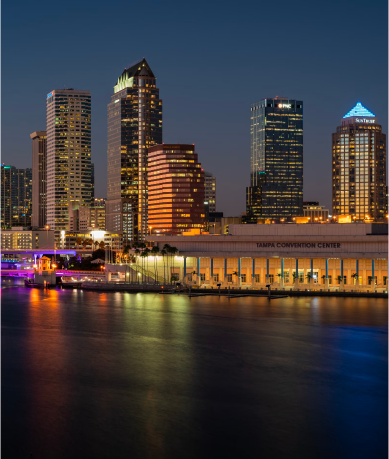
Seamless mobility once your US visa is approved: When your F-1 visa comes through, you can transfer to our Tampa campus in the US without losing any credits or progress.
Visa delays for the 2026 intake are affected by many factors. Understanding these factors can help you plan realistically and choose better alternative options, such as Schiller International University. The goal is simple: keep your education moving, even when the visa process cannot.
Explore undergraduate and postgraduate programs at Schiller.
FAQs
Q1. Why are US student visa appointments delayed for 2026 intake?
Answer: It is due to embassy backlogs, high demand, administrative processing, stricter screening under 214(b), and geopolitical factors. According to 96% of US institutions, visa delays or denials are the primary reason for students' delays in starting school.
Q2. What should I do if my F-1 visa is delayed or I can't get an embassy appointment on time?
Answer: Contact your university, check for new appointment slots daily, explore expedited appointment options, and prepare for a deferral if needed. You can also look for alternative options to begin your studies without wasting time.
Q3. How does deferred admissions work for international students in the US?
Answer: A deferral means you keep your admission but move to a later intake. There are 72% of US institutions offering deferrals for Spring 2026, and 56% for Fall 2026.
Q4. Can I start my program online or abroad while waiting for my US visa?
Answer: Yes. Many universities now offer online starts, hybrid options, late arrivals, or international campus pathways.
Q5. Are there American-accredited (ACCSC) programs in Europe that allow a flexible start?
Answer: Yes. Schiller International University offers ACCSC-accredited American degrees on European campuses, allowing you to begin your studies abroad and move to the US later once your visa gets approved.
Discover Our Campuses