Request information

Top Five Benefits of a Multicultural Education for Global Careers
Studying in a multicultural environment is not a novelty anymore. Travelers and international students have crossed borders for centuries. But in 2026, global workplaces demand far more than mere exposure to diversity. What has changed is the speed and complexity of globalization, digital collaboration across continents, and business challenges that require cultural sensitivity, creative thinking, and real-world global skills. Today, a multicultural education, especially through international campuses, is one of the strongest predictors of career success.
As William Hoffa noted in A History of Study Abroad, any travel “has educational potential, whatever its inspiration and purpose. What and how much is learned, however, depends greatly on how open the traveler is to what the road offers.” That openness, combined with structured multicultural learning, delivers far more than ever before.
1. Accelerated Cultural Intelligence and Global Mindset Development
In a world where remote teams, international collaborations, and cross-border projects are the norm, cultural intelligence is the ability to understand, respect, and work across cultures. It is not optional. Multicultural education develops that mindset more deeply and organically than short-term workshops.
Cultural Competence That Goes Beyond Awareness:
- A multicultural classroom mixes students from different socioeconomic, ethnic, and cultural backgrounds, which builds genuine cultural awareness, not just textbook knowledge.
- Research shows that multicultural education fosters global citizenship and intercultural competence, equipping students to address global challenges collaboratively.
Global Mindset as a Career Asset
- Employers increasingly value candidates who can navigate cultural nuances, speak multiple languages, adapt communications across regions, and bridge differences within global teams. A multicultural education naturally develops these traits.
- This type of a global mindset enhances employability, especially for roles involving cross-border business, international diplomacy, worldwide development, sustainability, and multicultural companies.
2. Enhanced Cognitive Flexibility, Creativity, and Problem-Solving Skills
Diversity of perspectives in multicultural learning is not just beneficial for empathy; it actually teaches you invaluable lessons and strengthens your critical thinking abilities. In 2026, global problems and business challenges will require creative-adaptive thinking; multicultural education can offer that.
- Exposure to diverse viewpoints will push you to question assumptions, re-evaluate problems from multiple angles, and avoid one-dimensional thinking. It will enable you to develop stronger critical thinking skills and creative problem-solving capabilities.
- Bilingual or multicultural settings can lead to improved cognitive flexibility, better memory, and enhanced higher-order thinking, especially when you interact in different languages or cultural contexts.
- Innovation results from these cognitive benefits. It is a must-have in global roles where teams must adapt, pivot, and innovate rapidly across markets.
3. Real-world Communication Skills and Language Agility
Global careers often mean working with colleagues from multiple countries, clients in different time zones, or partners across continents. The power of international education in a globalized world is that it offers you a living space for honest communication that cannot be simulated or taught in a textbook.
- Practicing language alongside peers from different native languages and backgrounds offers real-world exposure to the language. It will allow you to improve fluency, ease of expression, and communication confidence.
- Communication extends beyond language. It includes recognizing cultural context, adapting tone, collaborating in multicultural teams, and effectively bridging cultural divides.
- Such skills will help you contribute to international projects, multinational organizations, and global teams with greater ease and effectiveness than those without multicultural exposure.
4. Stronger Empathy, Inclusion, and Intercultural Collaboration Skills
In 2026’s socially conscious workplaces, which prioritize cultural diversity, equity, and inclusion, the ability to work respectfully and inclusively across cultures is critical. Multicultural education fosters deep empathy and collaborative instincts.
- In multicultural classrooms, you learn to value different cultural backgrounds, build respect, and view diversity as a source of strength. You will contribute to social cohesion and mutual understanding.
- When working across cultural boundaries, empathy and respect foster collaboration, lowering bias, reducing miscommunications, and increasing cohesion.
- For global employers committed to inclusive workplaces, graduates accustomed to multicultural cooperation are more likely to lead and thrive in diverse teams.
5. Enhanced Global Employability and Career Mobility
Another significant benefit of multicultural education is how it directly increases your employability, and not just as a 'nice to have'. Studying in a multicultural environment helps you build a competitive advantage over your peers in the global job market.
- Studies show that international experience and multicultural exposure increase career prospects, especially in sectors like international business, global development, diplomacy, and multinational corporations.
- Multicultural education develops what employers now call 'global employability skills': intercultural competence, communication, adaptability, and teamwork. These qualities are in high demand across borders.
- Students who choose a culturally diverse global university with campuses in different countries have the opportunity to experience true global mobility. By moving between campuses across various regions, they gain firsthand experience of living and studying in multiple cultures. This experience fosters resilience, independence, and prepares them for successful international careers.
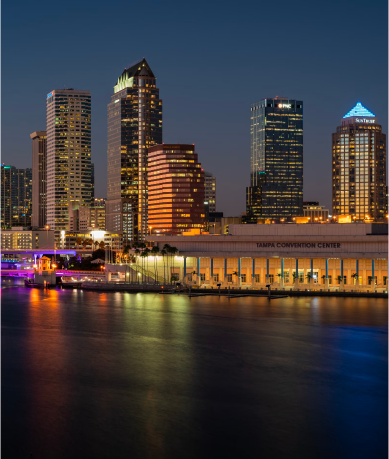
For example, the multi-campus global model at Schiller International University puts this idea into practice. You can study in Madrid, Heidelberg, Paris, or Tampa, which gives you direct multicultural experiences rather than hypothetical ones.
In 2026, multicultural education will encompass more than just the exposure to different cultures. It will involve the development of real-world, future-proof skills that are highly valued by global employers. It fosters cultural intelligence, global thinking, communication agility, empathy, teamwork, creative problem-solving, and mobility.
If you are ready to step into global careers, explore Schiller's intercampus mobility program to study across the US and Europe.
FAQs
Q1. How does multicultural education improve career prospects in global industries?
Answer: Multicultural education develops cultural intelligence, global mindset, communication, empathy, and adaptability skills. These are the skills global employers want from their prospective employees. Graduates from multicultural education backgrounds perform well in multinational teams and cross-border projects.
Q2. What skills do students develop in a culturally diverse academic environment?
Answer: By studying in a culturally diverse academic environment, you will gain intercultural competence, communication and language agility, cognitive flexibility, creative problem-solving, empathy, teamwork, and global awareness. All these qualities will prepare you for a global career.
Q3. Is multicultural education more beneficial in certain fields, like business or international relations?
Answer: While fields like business, international relations, development, global health, or diplomacy benefit strongly, multicultural education supports success in virtually any global-facing field. These can range from technology and media to research and charitable organizations because global career skills are widely transferable across industries.
Q4. How does studying with international peers prepare students for global teamwork?
Answer: Students from different nationalities, ethnicities, and economic backgrounds create a natural environment for cross-cultural collaboration. Exactly like the workplace of the future, you will study amid diverse perspectives, navigate differences respectfully, and communicate across cultures. It will help you gain competence and comfort in future global teams.
Q5. What is the difference between multicultural education and diversity awareness training?
Answer: Diversity awareness training is often short-term and prescriptive. Multicultural education is a holistic and long-term learning approach that is embedded in your everyday study. It shapes your mindset, builds valuable global career skills, and helps you understand workplace relationships and your worldview through real interaction and shared learning over time.
Discover Our Campuses