Request information
Leading with Purpose in Global Development: Emmanuelle Sylvain’s Journey
Schiller Alumni Spotlight: Emmanuelle Sylvain
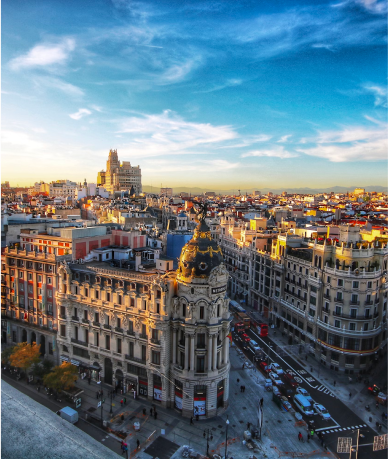
Meet Emmanuelle Sylvain, a graduate of Schiller International University’s Madrid campus. After completing her Bachelor of Arts in International Relations and Diplomacy in 2001, Emmanuelle built a career shaped by global development, policy, and social impact. Now based in Gothenburg, Sweden, she works as a Global Diversity, Equity and Inclusion (DEI) Specialist at Save the Children International, where she applies the cross-cultural understanding, critical thinking, and global perspective she developed at Schiller to drive inclusive change and support communities worldwide, reflecting the lasting impact of her international education.
Why did you choose Schiller International University?
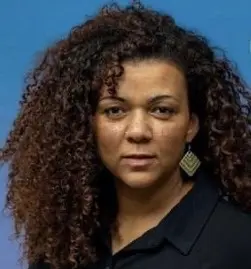 I chose Schiller International University because it offered exactly the program I wanted in a location where I truly wanted to live. The campus immediately gave me a positive first impression—everyone was warm, approachable, and genuinely welcoming. Receiving a scholarship, especially as a non‑EU citizen at the time, made it possible for me to pursue my studies there and was an important factor in my decision.
Can you tell us about a hands-on, real world experience related to your program that took place outside the traditional classroom setting?
One of the most formative real‑world experiences I had during my studies at Schiller was my internship with the United Nations Development Program (UNDP) in Laos. It was fascinating to see how the theories, frameworks, and ideas I had learned in class translated directly into policy development within a global organization. My diplomacy courses proved especially useful when I found myself—an eager young intern—joining meetings with much older (and mostly male!) government leaders and UN officials, presenting ideas that my team had developed. Following this experience, I was hired as a consultant by the same department to further develop the policy paper I had presented to the Lao government.
What skills or lessons gained from the program(s) you studied have been most valuable in your professional life?
The most valuable lessons I gained at Schiller were rooted in my unexpected love for economics. Initially, I was reluctant to take economics courses, but because they were required, I committed fully—and thanks largely to my professor, Duncan Shaw, the subject became one of my favorites. This early spark later led me to complete two master's degrees where economics played a central role. My time at Schiller deepened my understanding of global economic systems and their connection to decoloniality, grassroots movements, and global power dynamics—perspectives that continue to inform my work in international development and DEI today.
Can you share some of your fondest memories from your time at Schiller?
My fondest memories include time spent with friends—laughing together in the campus cafeteria, socializing at our economics professor’s bar, and enjoying the close-knit community that defined the school. I also remember my Spanish teacher fondly. A highlight was the graduation ceremony, when my friend Yuliya and I both served as valedictorians and delivered our speeches together.
How would you describe the spirit and culture of Schiller during your years on campus?
The spirit and culture at Schiller felt warm, supportive, and genuinely international. I was surrounded by friends I could talk to, study with, and explore the city with. The teachers were always accessible, engaged, and ready to help us succeed. Although the studies were demanding, Schiller created an environment where I felt that anything was possible. It laid not only the foundation for my career but also shaped the way I collaborate with colleagues and stakeholders today.
What was your most valuable life lesson at Schiller?
My most valuable life lesson at Schiller was learning that some of the most important skills are developed outside the classroom. Working in the humanitarian and development sectors requires the ability to collaborate with people from diverse backgrounds and life experiences. Those interpersonal skills were shaped in everyday interactions—with classmates, teachers, and friends—and have remained essential throughout my professional life.
What advice would you give to current students to help them make the most of their Schiller experience?
My advice to current students is to truly make the most of your time at Schiller. Even when the workload feels intense and exams pile up, remember that these years lay the groundwork for your future career. Seek advice, embrace mentorship opportunities, and reflect on where you want your studies to take you. Build relationships, nurture your curiosity, and enjoy the moments of fun between assignments. Most importantly: stay connected with your classmates. They are your first professional network, and in the international sector, your peers often become your collaborators, supporters, and future colleagues.
Looking back, are there experiences, perspectives, or lessons from your time at Schiller that influenced your interest in equity and global development?
Coming from a long line of people working in global development and social justice, my interest in the field was already deeply rooted when I joined Schiller. What my studies did was help transform that early, inherited passion into a clear, concrete career direction. The academic exposure, the international environment, and the conversations with classmates and professors helped me understand how I could turn those values into a professional path.
What advice would you give to students or young professionals who want to pursue careers in international organizations or social impact?
My advice is to stay committed and not be discouraged by current global politics or negative headlines. Although the humanitarian sector is experiencing upheaval, it continues to be shaped by decades of anticolonial, feminist, and justice‑driven movements. The backlash we are seeing against DEI, women’s rights, LGBTQ rights, and children’s rights is often a reaction to the strength and progress of grassroots organizing—not a sign that change has stalled. The work continues, often behind the scenes.
As a Black woman from Haiti living and working in Europe, I have had to navigate discrimination throughout my career—from sexism in decision‑making spaces to structural racism that blocks entry into those very spaces. If you encounter roadblocks due to the historic and systemic marginalization of people of color and other minoritized groups, seek support. You are not alone; many people around you are facing similar hurdles, and connecting with them can be both grounding and empowering.
Professional experience is important, but contextual experience—your lived experience alongside your technical skills—is increasingly recognized as essential. International organizations today are actively grappling with issues of decolonization, equity, and representation, and they need people who understand these topics not only academically but personally. Your background, your story, and your perspective are assets, not obstacles.
To succeed, stay informed, cultivate your network, and be strategic and creative in your job search. Internships can open doors, but your determination, resilience, and ability to build relationships will take you even further.
Can you tell us about your current role at Save the Children and the type of impact you aim to create through your work?
I am currently a Global Diversity, Equity and Inclusion (DEI) Specialist at Save the Children International. Our DEI team works across all areas related to people, culture, and inclusion—designing learning programs for leaders and staff, ensuring that policies and procedures reflect DEI principles, promoting inclusive recruitment practices, addressing discrimination, supporting member organizations, and partnering with country offices to align their work with our global values.
My own work focuses on antiracism, SOGIESC inclusion, and community‑building. I coordinate our global employee networks, design DEI learning programs, and collaborate with peer organizations to identify and share best practices across the humanitarian and development sector. I also lead a global initiative that supports staff with intersecting identities to work safely and thrive in the diverse political, cultural, and security environments where we operate.
Beyond this, I am involved in several key areas of organizational transformation. I contribute to embedding DEI considerations into safeguarding work, ensuring that our approaches account for identity, power, and inequity. I partner with our Global Safety & Security teams to integrate DEI into staff risk assessments and country‑level decision‑making. I help shape elements of our global DEI strategy, particularly around accountability structures, inclusive leadership, and the creation of psychologically safe teams. I also support crisis‑response work by advising on DEI challenges that emerge during humanitarian emergencies, where identity‑based risks can be heightened.
In terms of impact, I want our teams to reflect the children and communities we serve—so that children can truly see themselves in us, trust us, and feel confident that we are working both with them and for them. I want every staff member, wherever they are in the world, to feel valued and respected for their contributions; able to bring their whole selves to work; and recognized for the perspectives and lived experiences they carry.
Ultimately, the impact I aim to create is rooted in advancing social justice and equity: reducing barriers to full participation, transforming organizational culture, and ensuring that our mission is carried out by teams who embody the inclusive and just world we are striving to build.
Discover Our Campuses
Our BA in International Relations and Diplomacy is available online and at the following campuses: